Are Anti-Fatigue Mats Worth It? Real Relief or Marketing Hype?

Let’s be honest. Standing all day feels like punishment your legs didn’t sign up for. Whether you’ve joined the standing desk revolution or work in a job where sitting isn’t an option, you’ve probably noticed how your feet start protesting around hour two. Maybe your lower back joins the complaint chorus by lunchtime. And those anti-fatigue mats everyone keeps talking about? They look suspiciously like overpriced foam rectangles.
But here’s the thing: your skepticism might be costing you comfort.
We’ve dug into the research, talked to people who’ve used these mats, and figured out what actually works versus what’s just clever marketing. Spoiler alert: these mats can genuinely transform how your body feels after a long day of standing, but they’re not magic carpets that solve everything. The truth lies somewhere in the middle, and that’s exactly what we’re exploring today.
What Makes Anti-Fatigue Mats Different from Regular Mats?
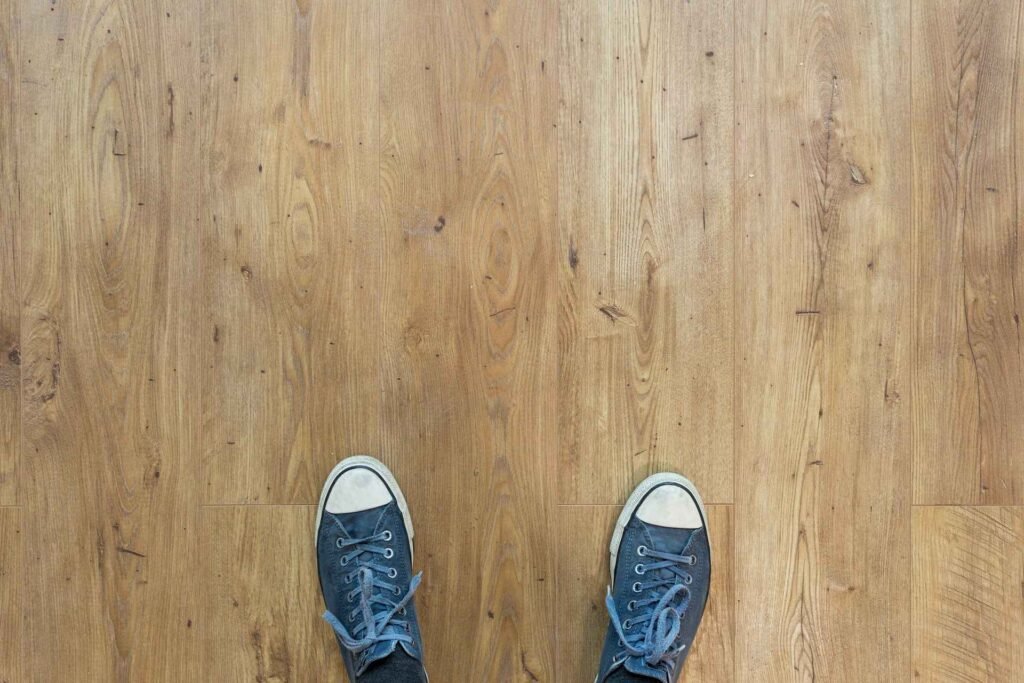
Think about the last time you stood on concrete for hours. Your feet probably felt like they’d been through a medieval torture device, right? That’s because hard surfaces give your body zero help when it comes to absorbing impact or encouraging healthy movement.
Anti-fatigue mats work by creating subtle instability beneath your feet. Before you panic, this isn’t the “whoops, I’m falling over” kind of instability. It’s more like standing on a surface that gently encourages your leg muscles to make tiny, constant adjustments. These micro-movements keep blood flowing through your lower legs instead of pooling there like a sad puddle.
The materials matter too. Most quality options use polyurethane foam, gel cores, or rubber construction. Each material has its personality. Foam mats tend to be lighter and more budget-friendly, while rubber versions typically last longer and handle heavier use. Gel mats sit in the premium category, offering cushioning that feels like standing on a supportive cloud.
What you won’t find in a regular floor mat is this engineered give-and-take between support and movement. Regular mats just sit there looking pretty. Anti-fatigue versions actually interact with how your body distributes weight, which brings us to the benefits that make people swear by them.
The Benefits of Anti-Fatigue Mats That Actually Matter
Research backs up what users have been saying for years. Studies involving surgical teams, factory workers, and yes, even office workers have shown measurable improvements when these mats enter the picture.
Your circulation gets a real boost. When you stand static on hard flooring, blood has a tough time making its way back up from your feet. Those tiny postural adjustments we mentioned? They activate your calf muscles, which act like pumps pushing blood where it needs to go. Less pooling means less swelling, less discomfort, and happier legs at the end of your shift.
Lower back pain sees significant reduction. One crossover study found that pain developers (people prone to back discomfort during prolonged standing) experienced roughly half the lower back pain when using anti-fatigue mats compared to standing on rigid surfaces. That’s not a small difference. That’s the difference between ending your day ready to collapse versus still having energy for what comes next.
Joint stress decreases across the board. Your knees, hips, and ankles take constant compression when you stand on unyielding floors. The cushioning effect of these mats absorbs some of that impact with each subtle weight shift. Think of it as shock absorption for your skeletal system. Adding ergonomic seating options to your workspace can further support your body throughout the day.
Fatigue happens slower and feels less intense. Multiple studies have measured perceived exertion levels, and the pattern holds consistent: people standing on anti-fatigue surfaces report feeling less tired in their feet, calves, thighs, and lumbar region compared to those on hard floors. The effect becomes more pronounced the longer you stand.
Safety improves beyond just comfort. If you do slip or fall, landing on a cushioned surface reduces impact injury risk dramatically compared to concrete or tile. Some research indicates hip impact can drop by around half, while head impact might decrease even more substantially.
Do Anti-Fatigue Mats Actually Work for Everyone?
Here’s where we need to pump the brakes on the hype train. These mats work remarkably well for specific situations, but they’re not universal problem-solvers.
Pain developers see the most dramatic benefits. Remember that study we mentioned? The folks who don’t typically develop pain from standing saw modest improvements, while pain developers experienced transformative relief. If you’re someone whose body protests loudly during prolonged standing, these mats could legitimately change your workday.
Time matters tremendously. Standing for an hour or two? You might notice some benefit, but it won’t be life-changing. Standing for four, six, or eight hours? That’s when these mats prove their worth. The longer your standing sessions, the more value you’ll extract from the investment.
Movement still beats static standing. Even the best mat won’t save you if you stand completely still like a palace guard. The magic happens when you combine the mat’s supportive surface with natural movement – weight shifting, gentle rocking, the occasional step in place. Some people even incorporate active standing accessories into their routine for additional movement benefits.
Your footwear plays a supporting role. Terrible shoes on a great mat still equals uncomfortable feet. The mat enhances what you’re already doing right with proper footwear. It can’t fix everything wrong with shoes that don’t fit or lack support.
Job requirements create compatibility issues. If you’re constantly moving around your workspace, a single mat won’t cover your travel path. If you sit down frequently throughout the day, you might not accumulate enough standing time to notice major differences. The sweet spot exists for jobs or setups where you’re standing in one general area for extended periods.
Standing Desk Mat Benefits: The Office Worker’s Perspective
The standing desk explosion created a whole new audience for anti-fatigue mats, and for good reason. That initial enthusiasm about finally getting off your backside often crashes into the reality of standing fatigue around week two.
Related article: Do Standing Desks Actually Improve Your Posture? Everything You Need to Know
Desktop height suddenly matters more. When you’re standing, your workspace ergonomics become crucial. A mat adds about half an inch to an inch to your effective standing height, which means you might need to adjust your desk accordingly. Factor this in before committing to a specific mat thickness.
Shoe-free standing becomes possible. Many office workers prefer removing shoes when standing at their desks. A cushioned mat makes this infinitely more comfortable than standing barefoot on carpet or hard flooring. Just make sure your office culture supports casual footwear situations before you commit to this approach.
Productivity patterns shift. People report maintaining focus better when physical discomfort doesn’t dominate their attention. When your feet aren’t screaming for mercy, your brain has more capacity for actual work. Whether adding background elements or adjusting your physical setup, reducing discomfort helps mental performance.
All-day standing still isn’t the answer. Research increasingly shows that the healthiest approach alternates between sitting and standing throughout the day. Your anti-fatigue mat supports the standing portions of this cycle, but don’t fall into the trap of thinking more standing automatically means better health. Balance wins every time. That’s why understanding whether standing desks deliver on their promises matters for setting realistic expectations.

The aesthetic element can’t be ignored. Unlike industrial settings where functionality trumps everything, home offices and professional workspaces care about appearance. Thankfully, modern anti-fatigue mats come in enough styles, colors, and finishes that you can find something that doesn’t scream “industrial warehouse” in your carefully curated space.
Choosing the Right Mat: What Actually Matters
Walking into the anti-fatigue mat market feels like stepping into a jungle of options, each claiming to be the solution to all your standing woes. Let’s cut through the marketing speak and focus on factors that genuinely affect your experience.
Thickness Considerations
Thicker doesn’t automatically mean better, despite what some manufacturers want you to believe. Mats typically range from about half an inch to nearly an inch thick.
Thinner mats (around half inch) work well for moderate standing periods, lighter body weights, and situations where you need to move on and off the mat frequently. They’re also less of a tripping hazard and easier to slide shoes or carts across.
Thicker mats (three-quarters to one inch) provide more cushioning for longer standing sessions and heavier individuals. They excel in situations where you’ll be standing in one spot for hours. The tradeoff comes in reduced stability – some people feel less secure on very thick mats, especially when first adjusting.
Material Matchup
| Material | Best For | Durability | Price Range | Maintenance |
|---|---|---|---|---|
| Foam | Light use, home offices, budget-conscious buyers | Moderate | $ | Easy, wipes clean |
| Rubber | Heavy use, industrial settings, longevity | High | $ | Moderate, more cleaning needed |
| Gel | Maximum comfort, premium feel, serious standing | High | $$$ | Easy, gentle care needed |
| Vinyl Surface | Chemical resistance, easy cleaning, kitchens | Moderate-High | $$ | Very easy |
Your use case should drive this decision more than anything else. A home office worker standing two hours daily needs something completely different than a retail employee standing eight-hour shifts.
Size and Shape
Measure your actual standing area before shopping. People consistently overestimate or underestimate the space they need. You want enough room to shift your weight and move your feet naturally, but not so much mat that it becomes a tripping hazard or covers areas where you’re actually moving around.
Standard rectangular shapes work for most situations. Specialty shapes (semi-circles for sinks, runners for long workstations, corner pieces for L-shaped desks) exist for specific setups. Only pay the premium for these if your space genuinely requires it.
Surface Texture Matters More Than You’d Think
Smooth surfaces look sleek but can get slippery, especially if any moisture gets involved. Textured or patterned tops provide better traction while still being easy to clean. Raised bump patterns or diamond plate designs work particularly well in areas where wet conditions might occur.
If you’re standing barefoot or in socks, texture becomes even more critical. What feels fine through shoes might be uncomfortable against bare skin. Some mats offer that sweet spot of gentle texture that prevents slipping without feeling rough.
Border Designs and Edges
Beveled edges reduce tripping hazards significantly compared to square edges. This matters more than it seems, especially in busy environments or if you’re wearing shoes without much ankle support. Some mats include contrasting colored borders that create visual awareness, helping prevent trips even in peripheral vision.
The Support Structure Underneath
Look for mats with proper rebound characteristics. Press down firmly and let go. The mat should spring back to shape relatively quickly. Slow rebound might indicate lower quality materials that will compress permanently over time, losing their fatigue-fighting properties.
Some premium options include air pockets, gel channels, or specialized cushioning zones. These features can enhance comfort, but they also increase price. Decide whether these extras matter for your specific situation before paying the premium.
Are Anti-Fatigue Mats Safe for Hardwood Floors?
This question keeps potential buyers up at night, and rightfully so. Hardwood floors represent a significant investment, and the last thing anyone wants is to damage beautiful flooring in pursuit of comfort.
The short answer: it depends on the mat and how you use it.

Quality mats designed specifically as floor-safe shouldn’t harm hardwood. Look for products explicitly labeled as hardwood-compatible and non-staining. The material composition matters enormously here. Some rubber backings contain chemicals that can react with certain floor finishes, causing yellowing, discoloration, or even deterioration of the protective coating.
PVC mats pose particular risks. While common and often budget-friendly, PVC can release chemicals that interact badly with hardwood finishes. If you value your floors, spending a bit more on materials specifically formulated for wood surfaces makes sense.
Moisture creates its own set of problems. Any mat can trap moisture underneath if liquid gets beneath it, potentially leading to warping, staining, or mold growth. In areas where spills might happen, choose a mat that doesn’t seal too tightly against the floor, allowing some airflow. Regularly lifting and cleaning underneath prevents moisture buildup.
Movement causes friction damage. Even “safe” mats can act like very gentle sandpaper if they shift repeatedly across your floors. This happens more in high-traffic areas or spots where you’re constantly repositioning. Some people place a thin felt pad or rug gripper beneath their anti-fatigue mat for extra floor protection.
Testing before committing saves heartache. Place your new mat in an inconspicuous area for a few weeks, then check underneath for any signs of finish degradation, color transfer, or moisture issues. If everything looks good, proceed with confidence. If you notice problems, you’ve caught them early.
The verdict? With proper selection, placement, and maintenance, anti-fatigue mats and hardwood floors can coexist peacefully. Just do your homework before making a purchase, and don’t go with the cheapest option if it means risking your flooring.
Common Concerns: Are Anti-Fatigue Mats Bad for You?
The internet loves a good scare story, and anti-fatigue mats haven’t escaped scrutiny. Let’s address the concerns that actually have merit versus the ones that belong in the worry-for-no-reason category.
The Balance Debate
Some sources suggest these mats throw off your balance or create instability that could cause falls. The reality sits more nuanced. Quality anti-fatigue mats create subtle instability that encourages micro-movements – this is literally the point. They’re not balance trainers or wobble boards.
Can someone with existing balance issues or certain medical conditions find them challenging initially? Possibly. Most users adapt within days as their muscles adjust to the slightly different surface. If you have significant balance concerns, starting with a firmer mat rather than a super-cushiony option makes sense.
Joint Alignment Questions
Critics worry that the give in these mats might encourage poor posture or misalignment. Research doesn’t support this concern for quality mats used properly. In fact, the opposite holds true – the ability to make subtle adjustments often helps people find more comfortable, natural standing positions rather than locking into rigid postures that stress joints.
The caveat? Extremely soft mats that compress dramatically under weight can potentially cause alignment issues. This comes back to choosing appropriate firmness for your body weight and intended use.
Dependency Worries
Will using an anti-fatigue mat make your body “dependent” on cushioned surfaces? Not in any meaningful way. Your muscles don’t forget how to stand on hard surfaces. Some people do notice the contrast more sharply after experiencing cushioned standing – hard floors feel harder by comparison – but this reflects awareness rather than actual physical dependency.
Off-Gassing and Chemical Exposure
Cheaper mats, particularly those made with certain plastics or low-quality rubber, can release volatile organic compounds initially. That new-mat smell isn’t just annoying – it represents actual chemical off-gassing. Quality manufacturers use materials with lower VOC emissions and often certify their products as safe.
Look for certifications or statements about low VOC emissions. If your mat smells strongly out of the package, let it air out in a well-ventilated area before bringing it into your workspace. Persistent chemical odors might indicate a product you don’t want standing on for hours daily.
Tripping Hazards
This represents a legitimate concern, especially for mats placed in walking paths or areas with foot traffic. Proper placement, beveled edges, and contrasting colors all help mitigate this risk. If your workspace sees lots of movement from multiple people, consider whether the mat placement creates more hazards than the mat solves problems.
The takeaway? Used appropriately with reasonable quality products, anti-fatigue mats don’t pose significant health risks for most people. The benefits far outweigh the minimal concerns for the vast majority of users.
FAQ
How long do anti-fatigue mats actually last?
Quality matters enormously here. Budget mats might show significant wear within a year, while premium options can push five years or more with proper care. Most fall somewhere around two to three years of reliable service. Industrial settings tend to wear mats faster than home offices. Regular cleaning and rotating the mat’s position helps extend lifespan significantly.
Can I use an anti-fatigue mat on carpet?
Technically yes, but it’s usually not ideal. Carpet already provides some cushioning, so adding a mat on top creates instability rather than helpful support. You lose most of the benefit because the mat compresses both itself and the carpet underneath. If you’re on low-pile commercial carpet, you might gain some advantage, but thick residential carpet makes anti-fatigue mats fairly pointless. Save your money and address fatigue through other means in carpeted spaces.
Do I need different mats for different areas?
Not necessarily, though different environments benefit from specific features. Kitchen mats should handle potential moisture and spills better than mats for dry office spaces. Industrial areas need chemical resistance and extreme durability. Home offices can prioritize comfort and aesthetics. If you’re only buying one mat for personal use, choose based on your most demanding application. Multiple mats for different spaces makes sense when needs vary significantly.
How do I stop my mat from sliding around?
Mats with grippy rubber backing usually stay put on hard floors. If yours slides, several solutions exist: rug gripper pads designed for area rugs work well, double-sided carpet tape provides more permanent placement, or you can apply strips of the hook side of adhesive-backed velcro to your floor (the mat sits on top and grips without damage). Make sure whatever method you choose won’t harm your flooring. Some mats slide more on certain floor types – test the grip before committing to permanent placement.
Is it better to stand on a mat with shoes or without?
Both work fine and it comes down to personal preference and your environment. Shoes provide additional cushioning and support but reduce your direct contact with the mat’s surface. Barefoot or sock-wearing gives you maximum tactile feedback and allows your feet to spread naturally, but might feel less stable initially. Most workplace environments require shoes for safety reasons anyway. If you have the option to choose, try both ways and see what feels more comfortable for your body.
Can these mats help me stand longer at my standing desk?
Absolutely, that’s one of their primary benefits. People consistently report being able to maintain standing positions longer with less discomfort when using quality mats. However, even with the best mat, you shouldn’t stand completely static for hours. The healthiest approach alternates between sitting and standing throughout your day, using the mat to make standing portions more sustainable. Don’t expect a mat alone to transform you from someone who can barely stand an hour into someone comfortable standing all day. It’s a helpful tool, not a magic solution.
The Bottom Line: Making Your Decision
So, are anti-fatigue mats worth it? For most people dealing with regular prolonged standing, yes. The research backs up the user experience – these mats genuinely reduce discomfort, improve circulation, and help people feel less destroyed at the end of standing sessions.
But they’re not miracle workers. If you stand for twenty minutes here and there, you probably don’t need one. If you have serious balance issues, certain medical conditions, or already have a very soft surface to stand on, the benefits diminish.
The sweet spot exists for people standing two or more hours daily in one general location who are experiencing fatigue, foot pain, or lower back discomfort. That’s where these mats shine brightest and deliver the most bang for your buck.
Don’t obsess over finding the perfect mat. A decent mid-range option from a reputable manufacturer will serve most people just fine. Focus on getting the right thickness for your weight and standing duration, appropriate materials for your floor type, and a size that fits your actual standing area. Everything else is optimization around the edges.
Your body adapts remarkably well to new standing surfaces, so give any new mat at least a week or two before deciding it’s not working. That initial unfamiliar feeling is normal and typically fades as your muscles adjust to the slight change in standing dynamics.
Start with where you stand most and see how it goes. You can always add more mats to other areas if the first one proves valuable. Or, if it doesn’t help as much as you hoped, you’re only out one mat rather than equipped like you’re opening a mat store.
Now stop reading and go find yourself a mat that’ll make standing suck less. Your feet will thank you around hour three tomorrow.
Looking for more? Check out our office furniture category for more articles and guides that may interest you!
Featured image credit: Photo by TheStandingDesk on Unsplash
This content is for informational purposes only. Please verify current information directly on the retailer’s site before purchasing.
References:
Seher Ünver, Esra Makal Orğan, The effect of anti-fatigue floor mat on pain and fatigue levels of surgical team members: A crossover study, Applied Ergonomics, Volume 110, 2023, 104017, ISSN 0003-6870. https://doi.org/10.1016/j.apergo.2023.104017
Taylor B. Winberg, Michal N. Glinka, Kaitlin M. Gallagher, Tyler B. Weaver, Andrew C. Laing, Jack P. Callaghan, Anti-fatigue mats can reduce low back discomfort in transient pain developers, Applied Ergonomics, Volume 100, 2022, 103661, ISSN 0003-6870. https://doi.org/10.1016/j.apergo.2021.103661