Electricity Usage Winter vs Summer: Which Season Costs More?
Seasonal fluctuations in electricity consumption often lead to noticeable changes in household energy bills. Many households observe higher costs during periods of extreme temperatures and question whether winter heating or summer cooling has the greater financial impact.
The answer is not universal. Electricity usage varies significantly based on geographic location, building efficiency, energy systems, and daily behavioral patterns.
A closer examination of winter and summer energy demands reveals the key drivers behind these fluctuations and supports more informed decisions about year-round energy management.
Electricity Usage Winter vs Summer
In northern states, winter typically claims the crown for highest energy consumption. Why? Heating systems work overtime for months, and the temperature gap between inside and outside can be massive. When it’s 20°F outside and you want a cozy 70°F inside, your heating system has to work through a 50-degree difference. That’s no small feat.
Meanwhile, southern and southwestern regions usually see their peak bills during summer. Air conditioning dominates the energy budget when temperatures soar above 95°F for weeks on end. The electricity usage in winter vs summer flips completely depending on your zip code.
Breaking Down Heating Costs
The short answer: it depends on what’s keeping you warm.
Electric heating systems are notorious energy guzzlers. Space heaters, baseboard heaters, and heat pumps all run on electricity, and when temperatures plummet, they’re working around the clock. A single portable space heater under your desk might seem harmless, but run it for eight hours a day and you’ll notice the impact.
Furnaces powered by natural gas, oil, or propane don’t show up on your electric bill the same way. Sure, they use some electricity to run fans and controls, but the main fuel source is separate. This is why two neighbors with identical homes can have wildly different winter electric bills based solely on their heating type.
Here’s where it gets tricky: even if your primary heat source isn’t electric, winter still sneaks in extra costs. Days are shorter, so lights stay on longer. We’re inside more, running electronics, cooking elaborate comfort food, and maybe even running a heated massage chair pad to stay cozy at our desks. All those little extras add up faster than you’d think.
Summer’s Secret Energy Drains
Air conditioning is the obvious culprit when your summer electric bill skyrockets, but it’s rarely working alone. Summer brings a perfect storm of energy-hungry behaviors that compound the problem.
Think about how your daily routine shifts. Longer daylight hours mean you’re active later into the evening. Fans run constantly, refrigerators work harder to keep food cold, and if you work from home, your office setup is pulling power for more hours each day. That USB-powered desk light might be efficient, but it’s still adding to your total when it’s on from sunrise to sunset.
Pool pumps, dehumidifiers, and extra loads of laundry from sweaty workout clothes all pile on. Kids are home from school, gaming systems run longer, and everyone wants cold drinks, which means the fridge door opens about a thousand times more than usual.
Regional climate plays a huge role here too. Humid climates force AC systems to work double duty removing moisture and cooling air. Dry desert heat might seem easier to manage, but when temperatures hit 110°F, no cooling system is taking a break.
Are Electric Rates Higher in Summer or Winter?
Here’s something that catches people off guard: it’s not just about how much electricity you use. It’s also about what you’re charged per kilowatt-hour, and those rates can shift dramatically based on demand.
Many utility companies use tiered pricing or time-of-use rates during peak seasons. Summer afternoon rates might spike when everyone’s cranking their AC simultaneously, putting strain on the power grid. Some areas see the opposite pattern, with winter evening rates climbing when heating demand maxes out.
Two households using identical amounts of electricity could pay vastly different amounts simply because one is being charged peak rates while the other benefits from off-peak pricing.
Check your bill closely. Some utilities offer programs that let you shift high-energy tasks like running dishwashers or charging devices to cheaper overnight hours. Setting your USB charging station to run during off-peak times is a small hack that works.
Making Sense of Your Bill: A Practical Comparison
Let’s put some real-world context around these seasonal swings. Here’s how winter and summer bills typically break down for different scenarios:
| Scenario | Winter Bill Drivers | Summer Bill Drivers | Likely Winner |
|---|---|---|---|
| Northern climate, electric heat | Heating system running 24/7, shorter days increase lighting needs | Moderate AC use, longer active hours | Winter |
| Northern climate, gas heat | Minimal electric heating, standard usage | Heavy AC use during heat waves, increased appliance use | Summer |
| Southern climate, any heat type | Minimal heating needs, standard usage | AC running constantly, higher humidity increases dehumidifier use | Summer |
| Mild coastal climate | Very light heating, mostly temperate | Light to moderate AC, comfortable temperatures most days | Roughly equal |
Creating an energy-efficient workspace helps manage costs year-round. Positioning your desk away from direct sunlight in summer reduces AC strain. In winter, taking advantage of natural light near windows can cut down on artificial lighting needs. Even small adjustments like using a desk lamp with proper positioning instead of overhead lights can trim your consumption.
Hidden Seasonal Factors
Beyond the obvious heating and cooling expenses, seasonal behaviors create surprising ripple effects on your electric bill.
Winter holidays mean houses lit up like theme parks. Decorative lights might seem festive, but running them for hours daily adds up. Hosting more gatherings means ovens working overtime, dishwashers running extra cycles, and guests using more water (which your water heater then needs to heat with electricity or gas).
Related article: Do LED Light Strips Use a Lot of Electricity?

Summer vacation patterns work the opposite way. If you’re home more, you’re using more. But if you leave for vacation, you might see relief. Though forgetting to adjust your thermostat before a week-long trip can mean you’re cooling or heating an empty house, which is basically throwing money out the window.
Weather extremes also force equipment to work harder. A furnace or AC unit struggling through unusually harsh conditions uses more power to achieve the same result. When your heating system can barely keep up with a polar vortex, it’s running constantly instead of cycling on and off efficiently.
Climate and Geography
Your location might be the single biggest factor in determining whether you face higher electric bills in summer or winter. This isn’t just about north versus south either. Altitude, humidity, proximity to water, and urban heat islands all play roles.
Mountain communities deal with brutal winters but mild summers. Coastal areas often enjoy natural temperature regulation but battle humidity. Desert regions swing from chilly nights to scorching days, sometimes requiring both heating and cooling within a 24-hour period.
The infrastructure in your area matters too. Older electrical grids in some regions charge higher rates to cover maintenance and upgrades. Newer developments might have access to better insulation standards and more efficient community energy programs.
Even your specific property makes a difference. Homes with poor insulation, drafty windows, or outdated HVAC systems will always cost more to operate regardless of season. The orientation of your house affects how much direct sun exposure you get, which impacts both heating and cooling needs.
Smart Strategies for Managing Electric Bills
Instead of dreading whichever season hits your wallet hardest, take control with some practical approaches that work whether it’s freezing or sweltering outside.
Temperature management is your first line of defense. You don’t need your home at 72°F year-round. Learning to tolerate 68°F in winter and 76°F in summer can significantly cut costs. Layer clothing in winter, and embrace fans and lighter fabrics in summer. For those working from home, a small adjustable desk fan keeps air moving around your workspace without cooling your entire house.
Timing really does matter. Running major appliances during off-peak hours when electricity rates drop can slash your bill. Do laundry, run dishwashers, and charge electronics overnight when demand is lower.
Maintenance prevents expensive surprises. Dirty HVAC filters make systems work harder, increasing electricity consumption by up to 15%. Cleaning or replacing filters monthly during heavy-use seasons pays for itself quickly. The same goes for clearing debris from outdoor AC units and ensuring vents aren’t blocked by furniture.
Zone heating and cooling beats whole-house climate control. Why heat or cool rooms you’re not using? Close vents in unused spaces, shut doors, and focus climate control where you spend time. A small space heater in your home office beats heating an entire house during work hours, just make sure you’re using it safely and efficiently.
The Tech Helping You Monitor and Reduce Usage
Modern technology offers tools that would’ve seemed like science fiction a decade ago, and they’re helpful for managing electricity costs.
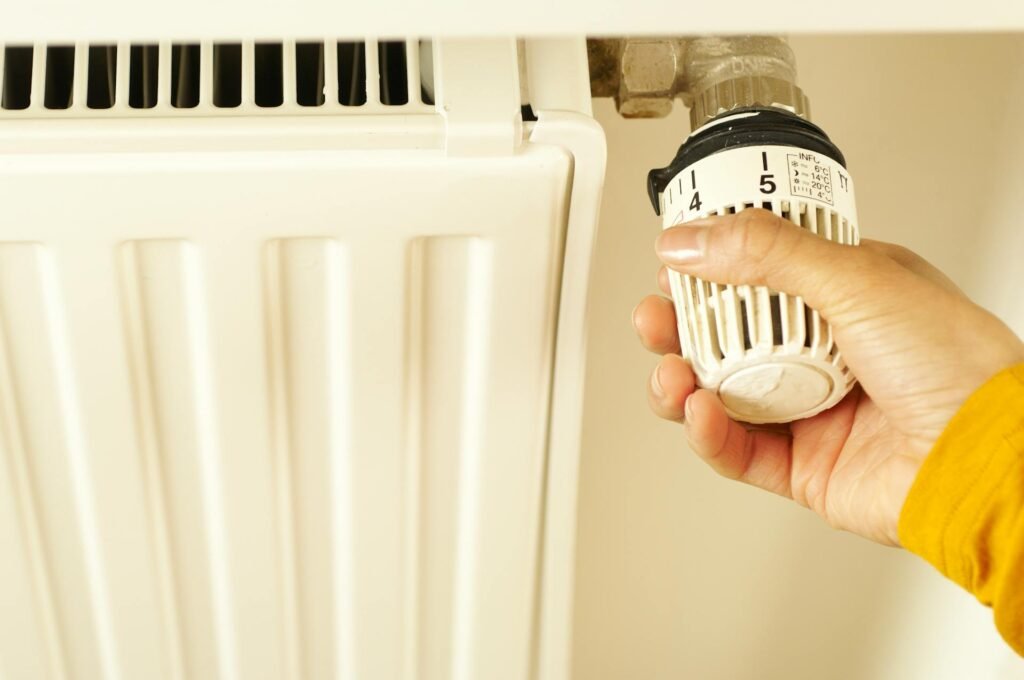
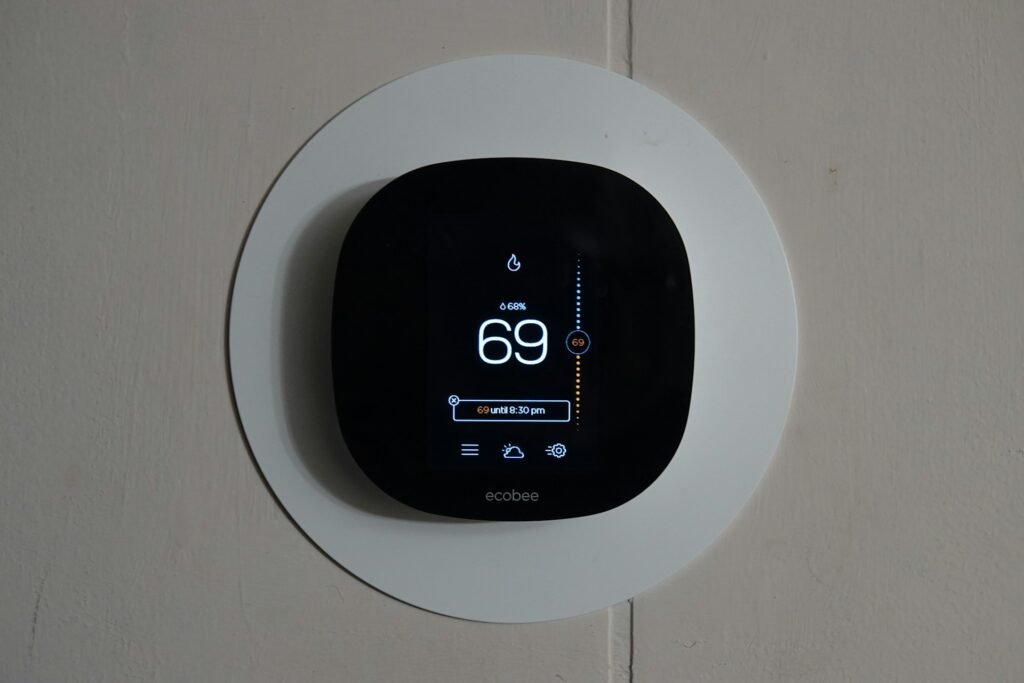
Smart thermostats learn your patterns and adjust automatically. They can detect when you’ve left home and dial back heating or cooling, then restore comfort before you return. The energy savings often pay for the device within a year.
Smart plugs let you monitor which devices are secretly draining power even when “off.” That old desktop computer in standby mode? The cable box that never truly powers down? Smart plugs reveal these vampire loads and let you cut power completely when devices aren’t needed.
Energy monitoring systems give real-time feedback on your consumption. Watching your usage spike when you turn on certain appliances creates awareness that leads to better habits. Some systems even send alerts when consumption exceeds your normal patterns, catching problems before they become expensive.
Troubleshooting Unexpected Spikes
Sometimes your electric bill jumps for reasons that have nothing to do with seasonal weather patterns. Knowing how to investigate saves you from overpaying.
Check for estimated readings versus actual meter readings. Utilities sometimes estimate usage based on past consumption, then correct it later when they get an actual reading. This can make one month look absurdly high while the next is surprisingly low.
Malfunctioning appliances can be secret energy vampires. A failing refrigerator compressor runs constantly. A water heater with a broken thermostat never stops heating. LED lights that buzz or flicker might indicate electrical problems that waste power.
Billing errors happen more often than utilities like to admit. Compare your current bill to the same month last year. If usage patterns seem wildly off without explanation, call and ask for a detailed breakdown. Sometimes it’s as simple as a misread meter or a wrong rate applied to your account.
Also consider whether you’ve added new equipment or changed your routines. Got a new gaming console? Started working from home more days per week? Added a home gym with equipment that draws power? These lifestyle changes impact consumption but are easy to overlook when bills arrive weeks later.
FAQ
Does winter or summer have higher electric bills?
It depends primarily on your climate and heating type. Northern regions with electric heating typically see higher winter bills, while southern areas usually peak in summer due to air conditioning demands.
Why is my electric bill so much higher in winter?
Winter bills spike mainly from electric heating systems working overtime during cold months. Other factors include shorter days requiring more artificial lighting, increased indoor time using electronics, and holiday decorations. If you use gas or oil heat, your winter electric bill shouldn’t increase dramatically unless other usage patterns have changed.
Do you use more electricity in summer or winter?
Most households use more electricity in summer nationally, but this varies by region. Air conditioning tends to consume more power than heating for the average home, and summer brings longer active hours. However, homes with electric heat in cold climates will almost always use more in winter.
Are electricity rates the same year-round?
Not always. Many utilities use variable rates based on seasonal demand, time of day, or tiered consumption levels. Summer afternoon rates often cost more due to peak AC usage straining the grid. Check your utility’s rate structure since this can impact your total bill as much as your actual consumption.
How can I tell if my high electric bill is normal for the season?
Compare your current bill to the same month from previous years. Most utilities provide year-over-year comparisons. Also check your cost per kilowatt-hour versus your total kilowatt-hours used. If the rate hasn’t changed but usage has spiked significantly without explanation, investigate for malfunctioning equipment or billing errors.
What uses the most electricity in winter besides heating?
Water heaters work harder in winter since incoming water is colder. Lighting needs increase with shorter days. Holiday decorations, humidifiers, and increased cooking all contribute. Remote workers may run office equipment more hours during darker, colder months when staying cozy indoors is more appealing.
Wrapping Up
Electricity costs are shaped less by the season itself and more by how households respond to environmental demands during that season. Heating in colder climates and air conditioning in warmer regions remain the primary determinants of peak consumption, while lighting needs, appliance usage, and occupancy patterns further influence total demand.
Recognizing these patterns enables a more predictable cost management. Adjusting temperature settings, maintaining equipment, and aligning energy-intensive activities with favorable rate periods can mitigate seasonal spikes without compromising comfort.
Rather than reacting to high bills after they occur, proactive monitoring and incremental efficiency improvements provide a more sustainable approach. Over time, consistent attention to usage patterns allows households to reduce exposure to seasonal volatility and maintain greater control over electricity expenditures throughout the year.
Looking for more? Check out our work environment category for more articles and guides that may interest you!
Featured image credit: Photo by Steve Johnson on Unsplash
This content is for informational purposes only. Please verify current information directly on the retailer’s site before purchasing.
References:
Li, Matthew & Allinson, David & He, Miaomiao. (2018). Seasonal Variation in Household Electricity Demand: A Comparison of Monitored and Synthetic Daily Load Profiles. Energy and Buildings. 179. https://doi.org/10.1016/j.enbuild.2018.09.018
U.S. Energy Information Administration (2023). Use of energy explained. https://www.eia.gov/energyexplained/use-of-energy/homes.php
U.S. Energy Information Administration (2023). Electricity consumption in U.S. homes varies by region and type of home. https://www.eia.gov/energyexplained/use-of-energy/electricity-use-in-homes.php
Last reviewed and edited on 28.02.2026