How Long Should an Office Chair Last? When to Replace Your Chair

Remember that moment when you finally splurged on a decent office chair and thought you’d found your forever desk companion? Fast forward a few years, and suddenly you’re sinking lower than your motivation on a Monday morning. We’ve all been there, sitting on what feels like a deflated pancake with wheels, wondering if chairs are supposed to make those ominous creaking sounds.
The truth is, your office chair isn’t meant to last forever (despite what we tell ourselves to justify avoiding that replacement purchase). But how long should a desk chair actually last before it’s time to upgrade? More importantly, how do you know when your trusty seat has crossed from “still functional” to “actively sabotaging your back”?
Let’s dive into everything you need to know about office chair lifespans, because your spine deserves better than guesswork.
What Determines How Long Office Chairs Last?
Here’s the thing: asking how long an office chair lasts is a bit like asking how long a car runs. The answer? Well, it depends on whether you’re driving a luxury sedan or a twenty-year-old beater held together with duct tape and hope.
Most office chairs have a sweet spot of about five to ten years before they start showing their age. But that range is massive, and where your chair falls on that spectrum comes down to several crucial factors that we often overlook when we’re just trying to get through our workday.
Build Quality Makes or Breaks Longevity
The construction quality of your chair is hands down the biggest predictor of its lifespan. A well-built chair with a steel frame, high-density foam cushioning, and quality ergonomic padding can easily hit that ten-year mark or beyond. Meanwhile, budget options with plastic components and thin padding might start falling apart after just a couple of years.
Think of it this way: chairs with commercial-grade components are built to handle the daily grind in busy offices. They’re designed with reinforced frames, durable gas cylinders, and mechanisms that won’t give up after a few thousand adjustments. Consumer-grade chairs, while perfectly fine for occasional use, simply aren’t engineered for the marathon of daily work sessions.
Your Usage Patterns Matter More Than You Think
Do you plop into your chair for two-hour bursts, or are you the type who practically lives at your desk? Someone working remote full-time will put vastly different wear on their chair compared to someone who uses it occasionally for home admin tasks.
Daily eight-to-ten-hour sessions put serious strain on every component, the cushioning compresses faster, the gas lift gets more of a workout, and those armrests endure countless adjustments. If you’re in your chair all day, every day, expect the lower end of that lifespan range unless you’ve invested in something truly robust.
Material Choices Have Long-Term Consequences
The upholstery and padding materials significantly impact how long mesh office chairs last versus their leather or fabric counterparts. Mesh chairs offer fantastic breathability and modern aesthetics, but that mesh can stretch, tear, or sag over time, typically showing wear around the six-to-eight-year mark with regular use.
Leather chairs, especially those with genuine or bonded leather, need consistent care to avoid cracking and peeling. Without regular conditioning, they can start looking rough within five years. Fabric chairs tend to be the middle ground, resisting wear reasonably well but susceptible to staining and general griminess that no amount of spot cleaning can fully erase.
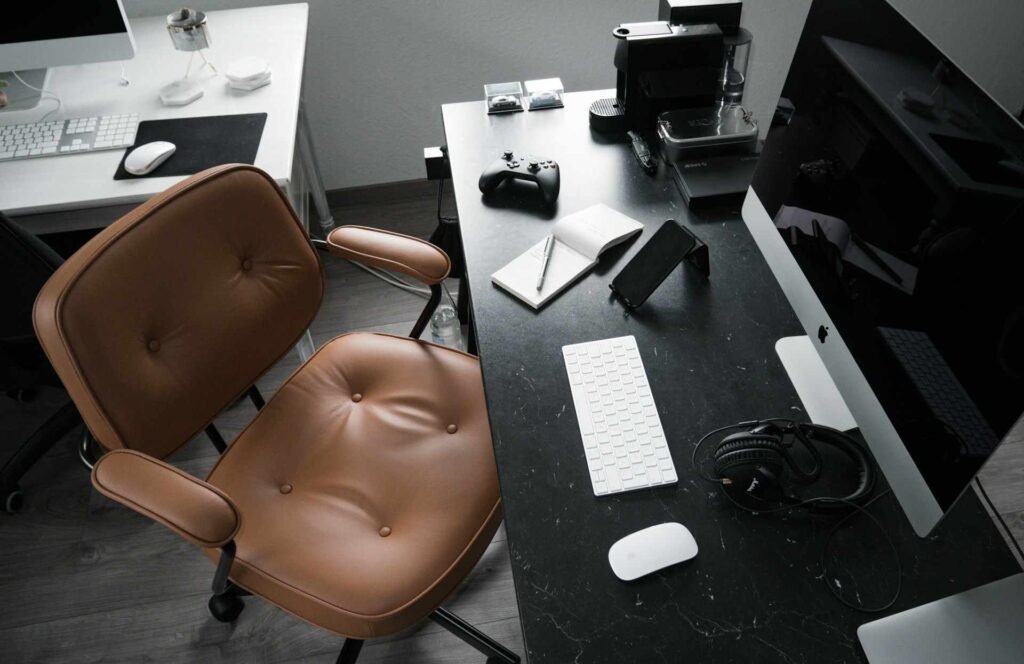
The foam density in your seat cushion is equally critical. High-density foam maintains its shape and support for years, while cheaper foam starts sagging and creating that uncomfortable “memory” of your sitting position that never quite recovers.
How Long Should Office Chairs Actually Last?
Let’s get specific, because “five to ten years” feels frustratingly vague when you’re trying to budget for furniture or justify a purchase to yourself (or a skeptical partner who thinks your current chair is “fine”).
For everyday office chairs in the mid-range price bracket, the kind most people end up buying, you’re realistically looking at around seven years of solid performance. These chairs typically feature decent construction, adequate padding, and basic adjustment mechanisms that hold up reasonably well under standard use.
High-end ergonomic desk chairs from reputable manufacturers can comfortably exceed the ten-year mark and sometimes push toward fifteen years with proper maintenance. These investment pieces come with premium materials, superior engineering, and often impressive warranties that signal the manufacturer’s confidence in durability.
Budget chairs, on the other hand, might only give you three to five years before critical components start failing. That doesn’t make them inherently bad, if you’re furnishing a guest room workspace or need something temporary, they serve a purpose. Just set your expectations accordingly.
The Material Breakdown: What to Expect
Different materials age at different rates, and understanding these patterns helps set realistic expectations:
Mesh chairs typically last between six and eight years. The mesh itself can stretch or develop weak spots, and while it’s breathable and comfortable initially, it doesn’t always age gracefully under constant pressure.
Leather chairs can go strong for eight to twelve years with proper care, think regular conditioning every few months. Without maintenance, expect cracking and peeling around the five-year mark. Bonded leather (the cheaper alternative) tends to deteriorate faster than genuine leather.
Fabric chairs generally hold up well for seven to ten years, though they’re more prone to staining and can look worn even when structurally sound. The upside? They’re often easier to clean and maintain than leather.
Synthetic materials vary wildly depending on quality. Some high-end synthetics rival leather in durability, while cheaper varieties might start showing wear within just a few years.
Warning Signs Your Chair Is Past Its Prime
Your chair won’t send you a notification when it’s time for retirement, but it will drop plenty of hints if you know what to look for. Some signs are obvious, while others are sneakier indicators that your seating situation needs attention.
The Comfort Has Completely Vanished
If you’re constantly shifting positions, grabbing a cushion to sit on, or finding excuses to stand because your chair feels like a medieval torture device, that’s your body screaming for better support. Flattened seat padding that never bounces back means the foam has given up. You shouldn’t need to strategically position yourself to find the “good spot” that doesn’t exist anymore.

Lower back discomfort that wasn’t there before is a red flag. When the lumbar support fails or the cushioning compresses unevenly, your spine pays the price. That dull ache at the end of the workday isn’t just from sitting too long, it’s from sitting on something that’s stopped doing its job.
Related article: Do Standing Desks Actually Improve Your Posture?
Mechanical Failures Are Becoming Routine
Does your chair sink slowly throughout the day, forcing you to pump it back up every hour? That’s a failing gas cylinder, and while it’s technically replaceable, it’s often a sign that other components are reaching the end of their lifespan too.
Adjustment mechanisms that stick, refuse to budge, or require professional-wrestler levels of force to operate are telling you they’re done. Armrests that wobble or won’t stay in position, a backrest that won’t tilt or stay locked, or a seat that won’t adjust depth anymore, these aren’t quirks to work around, they’re failures.
The wheels (or casters, if we’re being fancy) are another telltale component. If they’ve stopped rolling smoothly, won’t swivel properly, or have developed flat spots, they’re making you work harder just to move around your workspace. While casters are replaceable, if the entire chair is struggling, swapping wheels is just putting a band-aid on a bigger problem.
Visible Wear Tells the Whole Story
Sometimes the deterioration is right there in plain sight. Tears in the upholstery, whether it’s a small rip that’s slowly spreading or full-on shredding at the seams, compromise both appearance and function. Exposed foam isn’t just unsightly, it degrades faster once it’s no longer protected.
Cracking or peeling in leather chairs creates rough spots that catch on clothing and only worsen over time. Mesh that’s developed sag spots or small tears won’t provide the firm support it once did. Even fabric showing significant pilling, discoloration, or areas where the material has worn thin signals that the chair has seen better days.
Structural concerns like a wobbly base, loose armrests that rattle, or a backrest that’s separating from the seat frame are serious issues. These aren’t cosmetic problems, they’re safety hazards waiting to happen.
The Weird Noises That Won’t Stop
A little squeak here and there? Usually fixable with some lubricant. But if your chair sounds like it’s narrating every movement with creaks, groans, and clicks, that’s the sound of components wearing out. When lubrication and maintenance no longer silence the symphony of disturbing sounds, the internal mechanisms have likely worn beyond simple fixes.
Extending Your Office Chair’s Lifespan: Practical Tips That Actually Work
You can’t make a chair immortal, but you can definitely help it age more gracefully. A little preventive care goes a surprisingly long way, and most of these maintenance tasks take just minutes.
Regular Cleaning Isn’t Just About Appearances
Dirt, dust, and mystery crumbs aren’t just gross, they’re actively working against your chair’s longevity. Debris works its way into mechanisms, gums up moving parts, and breaks down materials faster than normal wear would.
Give your chair a quick vacuum once a week, paying special attention to the crevices where the seat meets the backrest and under the armrests. For fabric or mesh chairs, an occasional deeper clean with appropriate upholstery cleaner prevents buildup that can break down fibers. Leather chairs benefit from conditioning every three to six months to keep the material supple and crack-resistant.
Don’t forget the base and wheels, flip your chair over occasionally and clear out the hair, dust bunnies, and whatever else has wrapped itself around the caster axles. This simple step keeps the chair rolling smoothly and prevents unnecessary strain on the swivel mechanism.
Tighten Things Before They Break
Screws and bolts naturally loosen over time with regular use. Every few months, grab a screwdriver or hex key and do a quick check of all the connection points. Tightening loose hardware prevents wobbling, reduces stress on other components, and stops small issues from becoming big problems.
This is especially important for the armrest connections and the mechanisms that attach the seat to the base. These take constant stress and loosening here can lead to catastrophic failure if left unchecked.
Respect Weight Limits and Usage Guidelines
Every office chair has a weight capacity, usually somewhere between 200 and 300 pounds for standard models, with heavy-duty options going higher. Consistently exceeding these limits accelerates wear on every component, the gas cylinder works harder, the base experiences more stress, and the cushioning compresses faster.

Similarly, chairs are designed for sitting, not standing on to reach high shelves or using as a stepladder. These off-label uses put stress on components in ways they weren’t engineered to handle, shortening the overall lifespan dramatically.
Create a Better Environment for Your Chair
Where you position your chair matters more than most people realize. Direct sunlight streaming through a window might create a lovely workspace, but it’s murder on upholstery. UV rays fade colors, dry out leather, and degrade synthetic materials. If possible, keep your chair out of direct sunlight or use window treatments to protect it.
Humidity extremes aren’t great either. Very dry environments can crack leather and dry out foam, while excessive humidity can promote mildew in fabric chairs and rust metal components. Maintaining a comfortable room temperature and humidity level protects both you and your furniture.
For those with hard floors, consider investing in a quality chair mat to protect both your flooring and your chair’s casters. On carpet, make sure you’re using the right type of wheels, soft wheels for hard floors, hard wheels for carpet. Using the wrong type creates unnecessary friction and wear.
When Repair Makes Sense Versus Buying New
The repair-or-replace dilemma hits everyone eventually. Your chair isn’t completely dead, but it’s not exactly thriving either. So when does it make financial sense to fix what you have versus investing in something new?
Repairs That Are Usually Worth It
If your chair is relatively high-quality, less than five years old, and the issue is isolated to one component, repair might be your best bet. Replacing a gas cylinder is straightforward and inexpensive, typically between twenty and forty dollars for the part, and can breathe new life into an otherwise solid chair.
Swapping out worn casters is another easy, cost-effective fix that dramatically improves usability. Damaged armrest pads can be replaced without replacing the entire armrest assembly. For these minor repairs on an otherwise great chair, fixing usually makes sense.
When Replacement Is the Smarter Investment
If your chair is showing multiple signs of failure, the padding is shot, the upholstery is torn, the mechanisms are sticking, and it’s making concerning noises, that’s a clear signal that repair isn’t worth the effort. You’ll end up playing whack-a-mole with failing components, spending time and money on a chair that’s fundamentally worn out.
Budget chairs past the five-year mark are almost never worth repairing. The cost of replacement parts plus your time to install them often exceeds just buying a new (and probably better) chair. Save yourself the hassle and upgrade.
Similarly, if your chair no longer provides proper ergonomic support and you’re experiencing physical discomfort, no amount of repairs will fix the underlying issue of collapsed foam and compromised structure. Your health is worth more than squeezing another year out of a failing chair.
Common Myths About Office Chair Lifespan
Let’s bust some persistent misconceptions that keep people sitting on subpar chairs longer than they should.
Myth: Expensive chairs last forever. Even premium chairs eventually wear out. They’ll outlast budget options significantly, but “forever” isn’t on the table. Expect excellent longevity, just not immortality.
Myth: If it’s not broken, it’s fine. A chair can be “functional” while still failing you ergonomically. Compressed cushioning and worn-out lumbar support impact your health long before the chair visibly breaks.
Myth: All five-year-old chairs need replacing. Age alone isn’t the deciding factor. A well-maintained, high-quality chair at five years might be in great shape, while a cheap chair could be toast at three years. Assess condition, not just age.
Myth: Mesh chairs are inferior because they don’t last as long. Mesh chairs offer distinct advantages like breathability and weight distribution. Their shorter average lifespan doesn’t make them bad, just different. Choose based on your priorities.
FAQ
How long does the average office chair last with daily use?
With regular daily use of about eight hours, a decent-quality office chair typically delivers seven to eight years of reliable service. Budget options might only make it three to five years, while high-end ergonomic models can push past ten years with proper care. Your mileage varies based on build quality, maintenance habits, and how you treat the chair during those daily sessions.
Can you replace just parts of an office chair instead of buying new?
Absolutely, and for certain components, it’s a smart move. Gas cylinders, casters, armrest pads, and sometimes even seat cushions can be replaced individually. This makes sense for high-quality chairs with isolated issues, especially if the chair is less than five years old. For older chairs showing multiple signs of wear, though, you’re often better off replacing the whole thing rather than playing component whack-a-mole.
Why do cheap office chairs wear out so quickly?
Budget chairs use lower-quality materials across the board, thinner foam that compresses quickly, plastic components where metal would be stronger, cheaper fabrics or mesh that tear easily, and basic mechanisms that aren’t engineered for long-term use. They’re designed to hit a price point, not to last a decade. That doesn’t make them terrible, but it does mean setting appropriate expectations. You really do get what you pay for in the office chair world.
What’s the most common reason office chairs fail?
The gas cylinder mechanism tends to be the most common point of failure, causing that classic slow-sinking issue where your chair won’t maintain height. Coming in close second is foam cushion compression, where the padding loses its ability to bounce back and provide support. Both are natural results of constant use over time, though quality components resist these issues much longer than cheap ones.
Should you buy a used office chair?
It depends heavily on the chair’s history and condition. A three-year-old premium ergonomic chair from a reputable brand that’s been lightly used might be a fantastic deal. A mystery chair of unknown age and questionable maintenance? Probably not worth the risk. If buying used, inspect it thoroughly for the warning signs we’ve discussed, test all adjustments, check for structural damage, and assess the cushioning. And maybe factor in the cost of a professional deep clean because, well, you don’t know where that chair has been.
Time to Face the Music (or the Squeaking)
Here’s the bottom line: office chairs have expiration dates, even if they don’t come stamped with “best before” labels. Most will serve you well for somewhere in that five-to-ten-year range, but only if you choose wisely, maintain them properly, and actually replace them when they’ve run their course.
Your chair is one of the most important pieces of workspace equipment you own. It literally supports you through every workday, every deadline, and every marathon Zoom session. Treating it like an afterthought until it catastrophically fails does neither your body nor your productivity any favors.
Pay attention to those warning signs. Don’t ignore the discomfort, write off the mechanical failures, or convince yourself that chairs are supposed to sound like haunted houses. When your chair tells you it’s done, listen. Your spine will thank you, your focus will improve, and you might finally stop unconsciously rubbing that spot between your shoulder blades.
So go ahead, check your current chair situation. Give it an honest assessment. If it’s still going strong, fantastic! Keep up with that maintenance and you’ll get every bit of life out of it. But if you’ve been ignoring the obvious signs because change is uncomfortable, maybe it’s time to start shopping.
Looking for more? Check out our office furniture category for more articles and guides that may interest you!
Featured image credit: Photo by Aalo Lens on Unsplash
This content is for informational purposes only. Please verify current information directly on the retailer’s site before purchasing.