How to Fix a Squeaky Office Chair: Simple Solutions That Actually Work

You know that sound. That persistent, soul-crushing squeak that announces your every move during video calls, makes your coworkers glance up from their desks, and somehow gets louder the more you try to sit still. If your office chair has started auditioning for a horror movie soundtrack, you’re definitely not alone. The good news? Most squeaky chairs can be silenced in under twenty minutes with supplies you probably already have at home.
Let’s get your chair back to its peaceful, productive self without spending a fortune or needing an engineering degree.
Why Office Chairs Start Squeaking in the First Place
Before we jump into fixes, it helps to understand what’s actually causing all that racket. Office chairs are surprisingly complex pieces of furniture with multiple moving parts, and any of them can become the culprit behind that annoying noise.
The most common troublemakers are the seat tension spring (that mechanism under your seat), loose bolts and screws, worn-out wheels, the hydraulic cylinder, and the backrest joints. Sometimes it’s just one issue, but often several components are competing for the title of “most irritating sound source.”
Temperature changes, normal wear and tear, and even the way you sit can contribute to the problem. That chair that was whisper-quiet when you first assembled it? It’s been supporting your weight through thousands of adjustments, swivels, and that thing you do where you push yourself across the room instead of just standing up.
The Quick Diagnosis: Finding Your Squeak Source
Here’s where we get a bit detective-like. Sit in your chair and start testing different movements. Lean back slowly. Rock side to side. Spin around. Adjust the height up and down. Listen carefully to when the squeak happens, because that’ll tell you exactly where to focus your efforts.
Does it squeak when you lean back? Probably the backrest mechanism or seat tension spring. Squeaking while you roll? Time to check those wheels. A noise every time you adjust the height? The gas cylinder is calling for attention. If it squeaks just from sitting still and breathing, you might have loose bolts throughout the entire chair.
This diagnosis phase saves you from the frustrating experience of lubricating the wrong parts and wondering why nothing changed. Trust us, there’s nothing quite like spending half an hour oiling your armrests only to discover the real problem was under the seat the whole time.
How to Stop an Office Chair from Squeaking: The Essential Fixes
Tightening Loose Screws and Bolts
This is genuinely the solution about 40% of the time, and it’s almost embarrassingly simple. Grab an Allen wrench set or screwdriver and start checking every connection point on your chair. We’re talking about where the seat connects to the base, where the armrests attach, the backrest connections, and anywhere else you can spot a bolt or screw.

Don’t just give them a cursory twist either. Get down there with good lighting (a clip-on LED light works wonders for this) and really check each one. You’d be amazed how much a chair can loosen up over time, especially if you’re the type who dramatically swivels during phone calls.
While you’re down there, make sure nothing’s cross-threaded or stripped. If a bolt won’t tighten properly, it might need replacing. Sometimes a bit of threadlocker compound can help keep screws from backing out again, though that’s optional for most situations.
Lubricating the Seat Tension Spring
The seat tension spring lives under your seat and controls how much resistance you feel when leaning back. It’s also one of the most common squeak producers because it’s constantly moving and bearing weight. To fix a creaky office chair spring, you’ll need to flip your chair over or work underneath it while it’s upright.
Look for the spring mechanism (it usually looks like a coiled spring or tension system near the center of the seat base). Apply a silicone-based lubricant, WD-40, or even 3-in-1 oil to all the contact points. Work the spray or oil into the spring by compressing and releasing it several times. You should see and hear an immediate difference.
Avoid using cooking oil or anything that’ll get sticky over time. You want something that stays slippery and doesn’t attract dust. After application, wipe away any excess because nobody wants oily stains on their floor or clothes.
Treating the Gas Cylinder
The pneumatic cylinder (that shiny metal pole that lets you adjust your chair height) can develop squeaks where it connects to the seat mechanism or the wheelbase. These squeaks often sound like a short, sharp noise when you adjust the height or shift your weight.
Spray lubricant around the top of the cylinder where it disappears into the seat mechanism. You can also treat the bottom where it inserts into the wheelbase. Give the mechanism a few pumps up and down to work the lubricant in. Sometimes a small rubber grommet or washer at these connection points has worn down, which a bit of lubricant can temporarily compensate for.
If lubrication doesn’t solve the cylinder squeak, the internal seals might be wearing out. That’s usually a sign you’ll need a replacement cylinder eventually, but proper lubrication can buy you months or even years of quiet operation.
Fixing Squeaky Wheels and Casters
Wheels are fascinating little squeak factories. Hair, dust, and debris wrap around the axles, friction increases, and suddenly you sound like you’re piloting a wooden cart from the 1800s across your office floor. Plus, the bearings inside can dry out over time.

Remove each wheel (most pop right out with a firm pull, or you might need a screwdriver to pry them). Clean out all the gunk wrapped around the axle, then apply lubricant to the wheel bearing and axle. Spin the wheel to work it in. If your wheels are beyond salvation, replacement caster wheels with smooth-rolling bearings can transform your chair experience and are surprisingly affordable.
Pro tip: if you’ve got hardwood or tile floors and your wheels keep accumulating debris, consider switching to rubber-coated wheels designed for hard surfaces. They roll quieter and pick up less junk.
Addressing Backrest and Armrest Issues
The backrest connects to the seat through various hinges, bolts, and adjustment mechanisms, any of which can develop squeaks. Check where the backrest attaches to the seat base and apply lubricant to any moving parts. If your backrest tilts or reclines, treat those pivot points generously.
Armrests are often overlooked, but they can creak when the plastic or metal components rub together during movement. Tighten any loose armrest bolts first, then apply a small amount of lubricant to the adjustment mechanisms if they’re movable. Sometimes a thin piece of felt or fabric between rubbing surfaces can eliminate noise without lubrication.
Maintenance Tools You’ll Actually Use
Let’s talk about what you need in your squeaky chair fighting arsenal. The essentials are pretty basic: a can of silicone spray lubricant or WD-40, an Allen wrench set (often included with your chair), a screwdriver set, and some cleaning cloths.
Nice-to-haves include a small flashlight for seeing under the seat, needle-nose pliers for removing stuck debris from wheels, and maybe some rubber gloves if you’re squeamish about getting grimy. That’s genuinely it. You don’t need specialty tools or expensive equipment.
One thing worth noting: silicone spray tends to be less messy than oil-based lubricants and doesn’t attract as much dust over time. It’s our go-to recommendation for chair maintenance. Keep a can in your supply closet and you’ll find yourself using it for all sorts of household squeaks.
When to Consider Professional Help or Replacement
Sometimes a squeak indicates something more serious than just needing lubricant. If you’ve tried everything and the noise persists, or if you notice your chair feels unstable, wobbly, or unsafe, it might be time for professional assessment or replacement.
A completely shot gas cylinder, cracked plastic components, or a broken frame aren’t DIY fixes for most people. Replacing a gas cylinder is possible at home with the right tools, but it’s not always worth the effort compared to investing in a new chair, especially if your chair is already several years old and showing other signs of wear.
Think about how much time you spend in this chair. If it’s your primary work seat for eight hours a day, your comfort and ergonomic support matter more than saving fifty bucks on a quick fix. Sometimes the best solution is acknowledging that your trusty chair has served its time and deserves a dignified retirement.
How Different Chair Materials Affect Squeaking
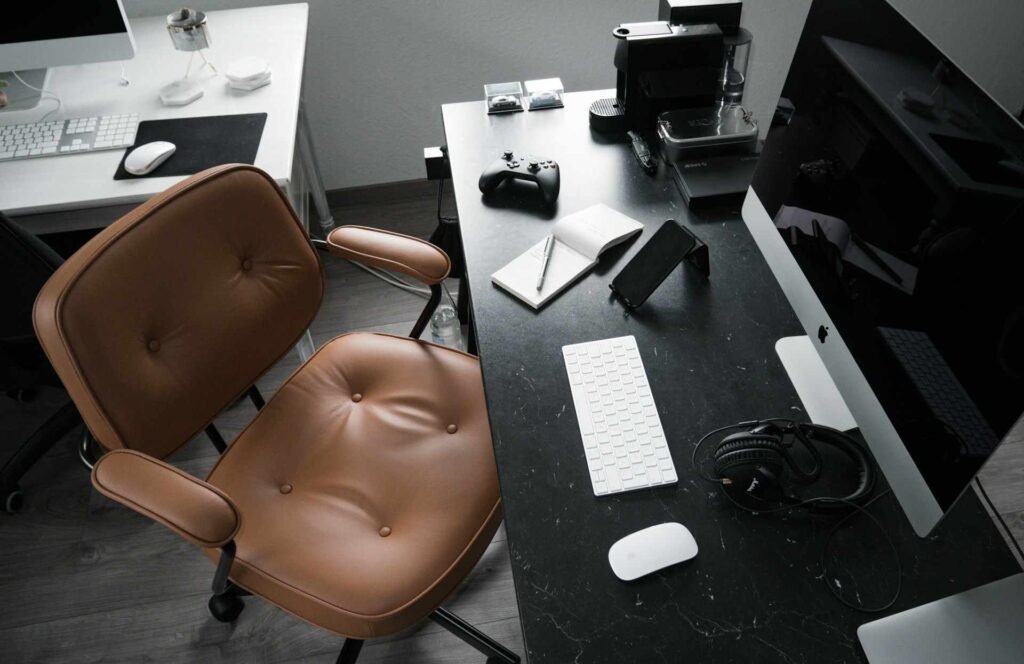
Not all office chairs are created equal when it comes to squeak prevention. Mesh chairs tend to develop fewer squeaks in the seat itself but can have noisy adjustment mechanisms. Leather and faux-leather chairs often squeak from the upholstery rubbing against the frame. Fabric chairs generally stay quieter but can still develop mechanical noises.
Metal frames are durable but can develop squeaks at weld points and connection areas. Plastic components might creak when they flex under weight. Higher-quality chairs typically use better bearings, bushings, and hardware that resist squeaking longer, but even expensive chairs aren’t immune to developing noises over time.
The good news? The fixes we’ve covered work regardless of what your chair is made from. The principles of tightening connections and lubricating moving parts apply universally.
Preventive Measures to Keep Your Chair Quiet
Once you’ve successfully silenced your squeaky chair, let’s keep it that way. A little regular maintenance goes a long way toward preventing future noise issues.
Every few months, do a quick tightening pass on all visible bolts and screws. It takes maybe five minutes and can prevent squeaks before they start. Give your wheels a cleaning to remove built-up hair and debris. A quick spray of lubricant on the major moving parts (spring mechanism, cylinder) keeps everything running smoothly.
Also, consider your chair’s environment. Sitting in direct sunlight can dry out lubricants faster. Excessive humidity can cause rust on metal components. Keeping your workspace at a comfortable temperature helps your chair last longer too.
And here’s something most people don’t think about: how you sit matters. Constantly leaning back at maximum tilt puts extra stress on the spring mechanism. Aggressive spinning wears out bearings faster. We’re not saying you need to treat your chair like a delicate flower, but being reasonably gentle extends its lifespan significantly.
Related article: Do Standing Desks Actually Improve Your Posture?
Creative Solutions for Stubborn Squeaks
Sometimes conventional methods don’t quite cut it, and you need to get creative. For squeaks between two surfaces that rub together, a thin piece of felt, rubber, or even paper can act as a buffer. This works great for armrests or backrest connections where plastic meets plastic.
If you’ve got a squeak you just cannot pinpoint, try the process of elimination. Remove components one at a time (starting with armrests, then backrest adjustments) to isolate exactly where the noise originates. Once you’ve identified the specific part, you can focus your efforts there instead of treating the entire chair.
For metal-on-metal squeaks that resist lubrication, a tiny bit of anti-seize compound (the stuff used for car parts) can work wonders. Just use it sparingly, as it’s messy stuff. And if you’ve got a squeak from your seat cushion compressing, sometimes the issue isn’t the chair at all but rather the mounting hardware underneath that needs attention. An ergonomic seat cushion might also help distribute weight differently and reduce stress on problematic areas.
FAQ
How often should I lubricate my office chair?
Most chairs benefit from lubrication every 3-6 months if you use them daily. If you start hearing squeaks or notice the adjustments becoming stiff, that’s your chair’s way of asking for attention. Light users can probably stretch this to once a year. The key is not waiting until it sounds like a rusty swing set before taking action.
Can I use cooking oil to fix a squeaky office chair?
Technically yes, but please don’t. Cooking oil will work temporarily but then gets sticky, attracts dust, and can actually make things worse over time. It can also leave stains on your floor and clothes. Spend a few dollars on proper lubricant and save yourself future headaches. Your chair (and your carpet) will thank you.
Why does my office chair only squeak when I sit down?
This usually means the squeak is coming from the seat mechanism or springs responding to your weight. The compression of sitting down activates whatever’s causing the noise. Check the seat tension spring and the points where the seat connects to the base. These areas bear the most stress when you sit and are prime squeak producers.
Is a squeaky chair dangerous?
Generally no, just annoying. Most squeaks are from minor friction issues, not structural problems. However, if your chair feels unstable, wobbles significantly, or if you hear cracking sounds rather than squeaking, stop using it immediately and inspect for damage. A squeak is a nuisance, but a broken chair is a safety hazard. When in doubt, check if the chair still feels solid and supportive during use.
How do I fix a squeaky office chair without taking it apart?
Start with accessible areas: spray lubricant on the gas cylinder, wheels, and any visible springs or mechanisms under the seat. Tighten any bolts you can reach without disassembly. This solves about half of squeak problems without requiring tools or technical knowledge. If that doesn’t work, you’ll probably need to flip the chair over and get a bit more hands-on with the underside mechanisms.
Will tightening screws damage my chair?
Not if you’re reasonable about it. Hand-tighten until snug, then give it maybe another quarter turn. You’re not trying to fuse metal together, just eliminate play in the connection. If you’re cranking down with all your strength or using power tools, you risk stripping threads or cracking plastic components. Firm but gentle is the motto here.
Getting Back to Peaceful Productivity
There you have it. Your comprehensive guide to silencing that office chair that’s been testing your patience and your coworkers’ sanity. Most squeaky chair fixes take less time than your average coffee break and cost less than a fancy latte. The satisfaction of sitting down to a perfectly silent chair after dealing with weeks of squeaking? Absolutely priceless.
The reality is that squeaky chairs are just part of furniture life. Components move, materials age, and things eventually need a bit of attention. But now you’ve got the knowledge to handle it like a pro. No more suffering through conference calls while trying to sit perfectly still, no more apologetic looks to your coworkers every time you shift position.
So grab that can of lubricant, flip that chair over, and show that squeak who’s boss. Your future self (and everyone within earshot) will appreciate it. And hey, once you’ve mastered chair maintenance, you’ll start noticing squeaky doors, sticky drawers, and all sorts of other household annoyances that suddenly seem fixable. You might just become the go-to person for solving irritating noises. Whether that’s a blessing or a curse, we’ll leave up to you.
Now get out there and reclaim your peace and quiet. You’ve earned it.
Looking for more? Check out our office furniture category for more articles and guides that may interest you!
Featured image credit: Photo by Andrea Piacquadio on Pexels
This content is for informational purposes only. Please verify current information directly on the retailer’s site before purchasing.