Mesh vs Leather Office Chairs: Which One Actually Wins?

Let’s be honest: choosing an office chair shouldn’t feel like picking a life partner, but somehow it does. You’re going to spend hours every single day in this thing, so the pressure is real. And when it comes down to the great debate of mesh versus leather office chairs, everyone seems to have an opinion. Your colleague swears by their breathable mesh throne, while your friend won’t shut up about how luxurious their leather chair feels. So, are mesh chairs better than leather, or is this whole thing just personal preference wrapped in marketing speak?
We’re diving deep into this seating showdown to help you figure out which chair material deserves your backside (and your budget). Spoiler alert: there’s no universal winner, but by the end of this, you’ll know exactly which camp you belong to.
The Comfort Factor: What Actually Feels Good After Hour Five?
Comfort isn’t just about that initial “ahh” moment when you first sit down. Real comfort is about how your chair treats you during hour three of that marathon video call or when you’re deep in concentration mode and forget the outside world exists.
Mesh chairs bring something pretty special to the comfort conversation: they flex. That woven material contours to your body shape, creating a custom fit that adapts as you shift positions throughout the day. It’s like the chair is working with you instead of against you. The suspended feeling can take a day or two to get used to, especially if you’re coming from a cushioned chair, but most people find it becomes their new normal pretty quickly.
Leather chairs, on the other hand, deliver that classic plush feeling. There’s an immediate sense of being cradled (especially with padded armrests that cushion your elbows during long typing sessions). The thick padding offers a different kind of support, one that feels more traditional and, frankly, a bit fancier. But here’s the thing: that cushioning can compress over time, and what felt cloud-like in month one might feel a bit flat by month twelve.
The wildcard in comfort? Temperature. Mesh breathes like a dream, keeping air flowing across your back even during intense work sessions. Leather, well, let’s just say it has a complicated relationship with body heat. In cooler environments or with good climate control, it’s perfectly fine. But if your workspace runs warm or if you’re someone who heats up easily, leather can turn your chair into a personal sauna. Not exactly the vibe you want during deadline crunch time.
Durability Showdown: Which Material Goes the Distance?
Nobody wants to replace their office chair every couple of years. It’s expensive, it’s wasteful, and honestly, breaking in a new chair is annoying. So let’s talk longevity.
High-quality mesh is surprisingly tough. The synthetic fibers used in modern mesh chairs are engineered to withstand constant tension and pressure without sagging or tearing. We’re talking about materials that can handle daily use for five to ten years without losing their structural integrity. The key word there is “high-quality” because cheaper mesh can start looking sad and saggy within a year or two. When shopping for ergonomic mesh seating, check the warranty length as a quality indicator.
Leather has that reputation for being the durable choice, and genuine leather can absolutely live up to the hype if you treat it right. Full-grain leather ages gracefully, developing a patina that some people love. But (and this is a big but) most office chairs don’t use full-grain leather. They use bonded leather or PU leather, which is essentially leather scraps mixed with polyurethane. This stuff can start peeling and cracking within two to three years, leaving you with a chair that looks like it went through a paper shredder. Real leather needs conditioning and care to stay supple, while synthetic leather is basically ticking down to its expiration date from day one.
The frame and mechanisms matter just as much as the material. A mesh chair with a solid steel frame will outlast a leather chair built on cheap plastic components every single time. Don’t let the surface material distract you from what’s holding everything together underneath.
Related article: How Long Should an Office Chair Last? When to Replace Your Chair
The Price Tag Reality Check
Let’s talk money because, surprise, it matters. Your budget plays a huge role in whether mesh or leather makes sense for your setup.
Entry-level mesh chairs start around the price of a nice dinner out, and you can find decent options that won’t destroy your back or your bank account. The mid-range mesh market is incredibly competitive, with tons of options offering excellent ergonomic features without requiring a small loan. Even the premium mesh chairs, while pricey, tend to cost less than their leather counterparts at similar quality levels.
Leather chairs command a premium, partly because “leather” sounds fancy and partly because quality leather genuinely costs more to source and manufacture. A real leather office chair starts at a price point that makes most people wince, and that’s often for bonded leather, not the good stuff. If you want full-grain leather with proper ergonomic features, you’re looking at an investment that rivals a used car payment.
Here’s something worth considering: affordable ergonomic accessories can transform a basic chair into something far more comfortable. Pair a solid mid-range mesh chair with a good lumbar support cushion or quality seat cushion, and you might end up more comfortable than someone who dropped serious cash on a leather throne.
Climate Control and Breathability Battle
We touched on this earlier, but it deserves its own spotlight because temperature regulation can make or break your workday comfort.
Mesh is the undisputed champion of breathability. The open weave allows constant airflow, which means your back isn’t trapped against a solid surface marinating in its own warmth. This matters more than you might think. When you’re comfortable temperature-wise, you’re less distracted, less fidgety, and generally more focused on actual work instead of adjusting your position every five minutes. If you work in a warm climate, don’t have great air conditioning, or just run hot naturally, mesh is probably going to make your life significantly better.
Leather is what we’ll politely call “thermally efficient” at trapping heat. In winter or in cooled offices, this can actually be pleasant. That initial coolness when you first sit down (yeah, leather starts cold) warms up nicely and then maintains a consistent temperature. But flip that scenario to summer or a poorly ventilated space, and you’re in for a sweaty situation. Some people drape towels over their leather chairs or invest in cooling seat cushions to combat this, which sort of defeats the purpose of buying a nice chair in the first place.
Humidity throws another wrench into the works. Leather doesn’t love moisture and can develop mildew or deteriorate faster in humid environments. Mesh handles humidity better, though nothing loves constant dampness. If you’re working in a space with variable climate control or you live somewhere with high humidity, factor this into your decision.
Maintenance: The Unglamorous Truth
Nobody thinks about cleaning their chair until there’s a coffee spill or visible dust buildup, and then suddenly maintenance becomes very important.
Mesh chairs are delightfully low-maintenance. A quick vacuum with a brush attachment pulls out accumulated dust and crumbs. For deeper cleaning, most mesh can handle a damp cloth with mild soap. The material dries quickly, so you’re not waiting days before you can use your chair again. Spills are less catastrophic with mesh since liquids pass through rather than soaking in (though your floor might disagree with this benefit).
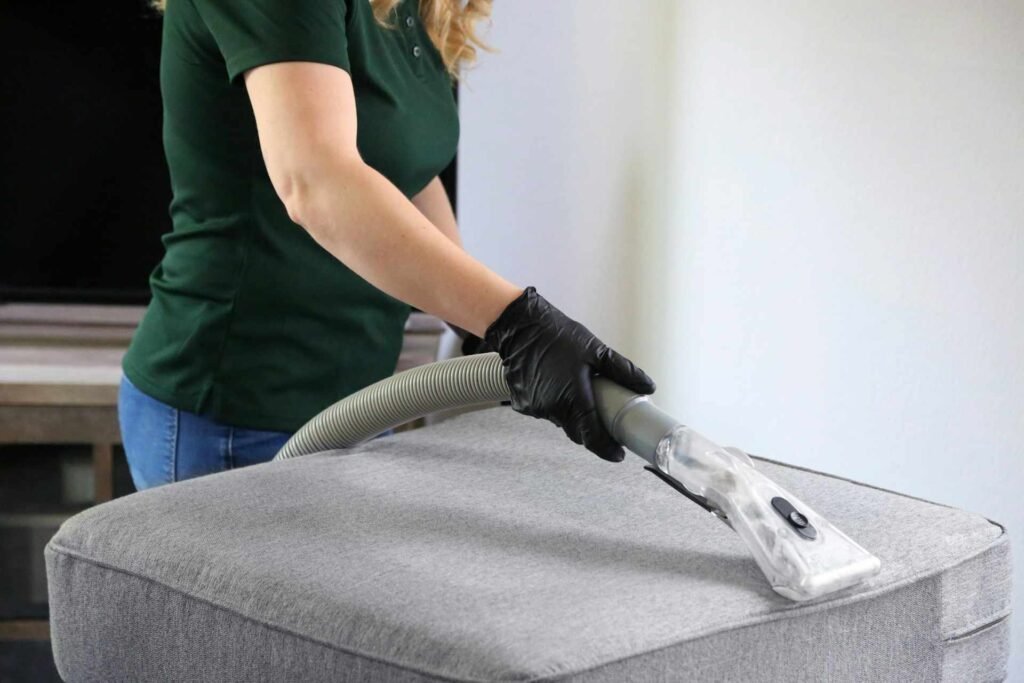
Leather demands respect and regular attention. Real leather needs conditioning every few months to prevent drying and cracking. Spills need immediate attention because they can stain or damage the finish. Bonded or PU leather requires gentler cleaning since harsh chemicals accelerate the inevitable peeling process. And once leather starts cracking or peeling, there’s no real fix beyond chair covers or replacement. You can’t just patch it up like you might repair other office furniture issues.
The cleaning time investment might seem trivial, but it adds up. If you’re someone who already struggles to keep your desk organized, adding leather chair maintenance to your to-do list might be optimistic.
Style and Professional Appearance
Aesthetics matter. Your chair is part of your workspace identity, whether that’s a home office visible during video calls or a corporate cubicle where you’re trying to project competence.
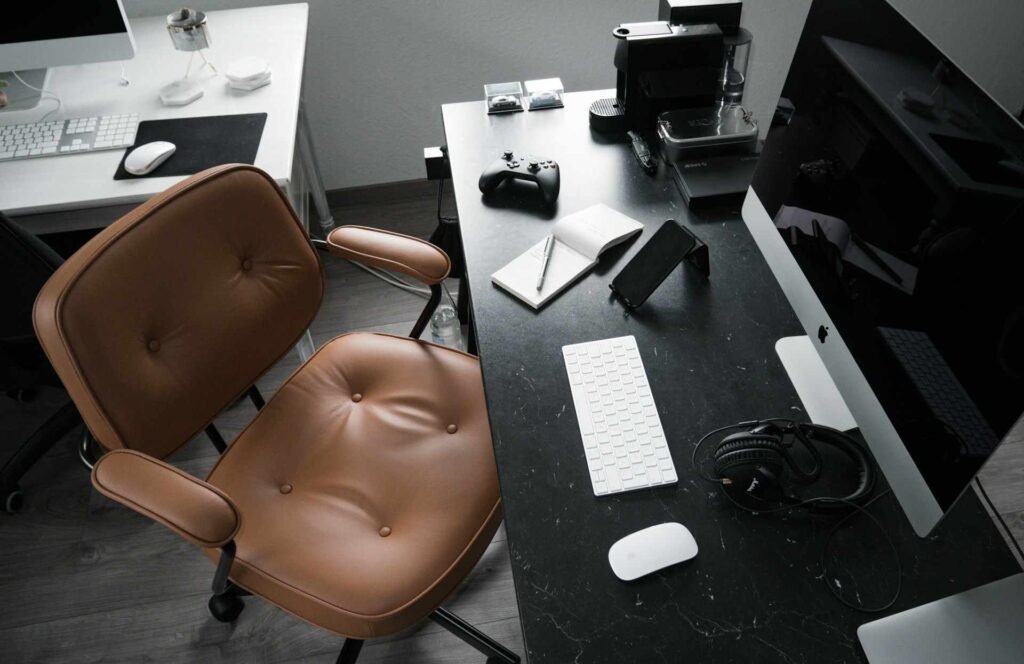
Leather chairs radiate executive energy. There’s no denying the professional, polished look of a leather chair, especially in traditional office settings or client-facing situations. Black or brown leather signals authority and establishment. It fits seamlessly into classic office aesthetics and looks impressive on video calls. If your workspace includes dark wood furniture, traditional decor, or you’re trying to project a certain professional image, leather delivers that visual punch.
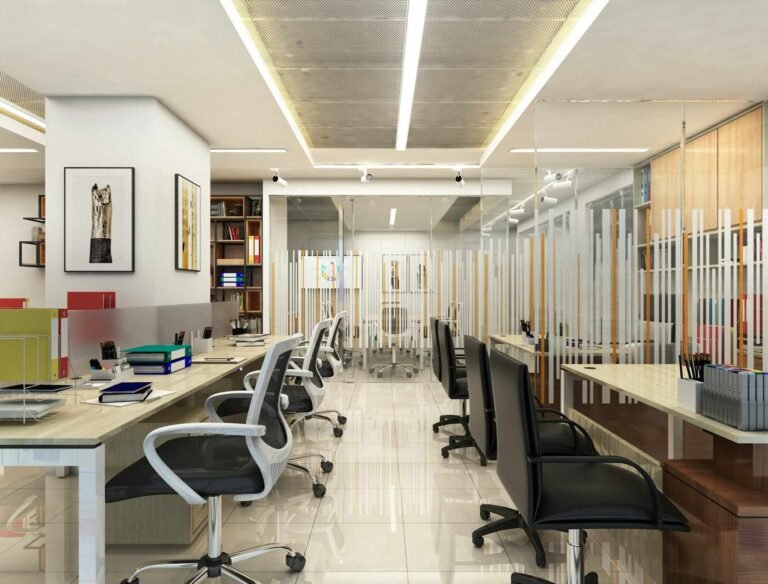
Mesh chairs have evolved significantly in the style department. Modern mesh designs range from sleek and minimalist to bold and contemporary. They fit beautifully into modern offices, tech startup vibes, or home workspaces with a current aesthetic. The lighter visual weight of mesh can make small spaces feel less crowded, which is a real advantage if you’re working with limited square footage. Mesh comes in various colors too, so you’re not stuck with black if that doesn’t match your vibe.
Style is personal. If you love the look of leather and it makes you feel good sitting in it, that psychological boost is worth something. Same goes for mesh. Your chair should make you feel like you’ve got your act together, whatever that means for you.
Comparison at a Glance
| Feature | Mesh Chairs | Leather Chairs |
|---|---|---|
| Breathability | Excellent airflow keeps you cool | Poor, traps heat against body |
| Initial Comfort | Supportive but may feel firm initially | Plush and cushioned immediately |
| Long-term Comfort | Maintains support, adapts to body | Padding can compress over time |
| Durability (quality materials) | 5-10+ years without sagging | Genuine leather ages well; bonded leather cracks in 2-3 years |
| Price Range | Budget-friendly to premium | Generally higher, especially for real leather |
| Maintenance | Low, easy cleaning | Requires regular conditioning and careful cleaning |
| Temperature Regulation | Stays cool in warm environments | Warm in cold, uncomfortably hot in warm spaces |
| Professional Appearance | Modern, sleek | Traditional, executive |
| Best For | Warm climates, long work sessions, easy care | Cooler environments, traditional offices, style-focused buyers |
What Works Best for Different Situations?
The “best” chair depends heavily on your specific circumstances, not some universal ranking.
If you work from home in a multi-purpose space, mesh probably makes more sense. It’s easier to keep clean (important when pets and kids are around), stays cooler during summer months when you might not run AC all day, and typically costs less, leaving budget for other home office upgrades. The lower maintenance requirements mean one less thing to worry about in an already busy household.
For traditional office environments with controlled climate, either option works, but consider your company culture. More conservative industries might lean leather for the professional aesthetic, while tech and creative fields often embrace mesh’s modern look. If you’re setting up a workspace where clients or colleagues will see you regularly, think about the impression you want to make.

Remote workers doing marathon sessions should prioritize comfort and breathability over appearance. Nobody on your video call cares what your chair looks like from behind; they just don’t want to watch you fidget because you’re uncomfortable. Mesh’s ventilation becomes increasingly valuable the longer you sit.
Hot desk or shared workspace situations? Mesh is the more considerate choice. Its breathability means it doesn’t retain the previous person’s body heat, and it’s generally easier to keep clean between users.
The Ergonomics Equation
Here’s something that might surprise you: the mesh versus leather debate matters less than the chair’s overall ergonomic design. You can have a terrible mesh chair and an excellent leather chair, or vice versa. The material is just one piece of a much larger puzzle.
Look for adjustability regardless of material. Your ideal chair should let you modify seat height, armrest position, lumbar support, and recline tension. These features matter infinitely more than surface material for your long-term health and comfort. A properly adjusted ergonomic chair combined with good habits (like taking breaks and varying your position) beats any fancy material on a poorly designed frame. Consider whether your overall setup includes other ergonomic improvements like proper desk height and potentially a footrest if needed.
Think about your body’s specific needs. If you have back problems, lumbar support quality matters more than mesh versus leather. If you have circulation issues, seat edge design and depth adjustment trump material choice. If you get hot easily, mesh’s breathability becomes a health issue, not just a preference. Match the chair to your body’s requirements first, then worry about material preferences.
The reality? You could have the most expensive leather chair in the world, but if you’re slouching with poor posture and working at a desk that’s the wrong height, you’ll still end up with aches and pains. Material is one factor among many in the ergonomic equation.
FAQ
Do mesh office chairs last as long as leather chairs?
Quality mesh chairs typically last 5-10 years or more without losing support, while the answer for leather depends entirely on the type. Genuine full-grain leather can outlast mesh if properly maintained, but most office chairs use bonded or PU leather that starts cracking and peeling within 2-3 years. High-quality mesh generally offers better longevity than the synthetic leather materials found in most office chairs at comparable price points.
Which chair material is better for hot climates?
Mesh wins decisively for hot climates and warm environments. The woven material allows continuous airflow across your back, preventing heat buildup and keeping you comfortable during long work sessions. Leather traps heat against your body and can become uncomfortably warm, especially in spaces without excellent air conditioning. If you work somewhere warm or run hot naturally, mesh will make your workday significantly more comfortable.
Are mesh chairs good for your back?
Mesh chairs can be excellent for back support, but it depends more on the chair’s ergonomic design than the material itself. Quality mesh provides firm, consistent support that doesn’t compress over time like cushioned padding can. The material conforms to your spine’s natural curve while maintaining structure. However, a poorly designed mesh chair offers no advantage over any other poorly designed chair. Look for adjustable lumbar support, proper seat depth, and good overall ergonomic features regardless of material.
Why do leather office chairs start peeling?
Most office chairs use bonded leather or PU leather rather than genuine full-grain leather. These materials are essentially plastic coatings or leather scraps mixed with polyurethane that mimic the look of real leather at a lower cost. These synthetic materials break down over time from body oils, friction, temperature changes, and humidity, causing the surface layer to crack and peel away. Genuine leather doesn’t peel the same way but requires regular conditioning to prevent drying and cracking. The peeling you typically see is a sign of synthetic leather materials reaching their limited lifespan.
Can you fix a sagging mesh chair?
Unfortunately, if mesh has permanently stretched or sagged, there’s no real fix beyond replacing the mesh panel or the entire chair. This is why investing in quality mesh matters. Cheaper mesh uses inferior materials that lose tension relatively quickly, while premium mesh maintains its structure for years. Some chairs allow you to replace just the mesh back panel if it fails, but this isn’t universal. Prevention is key: choose chairs with good warranties (often an indicator of quality) and avoid overloading the weight capacity.
Which office chair material requires less maintenance?
Mesh requires significantly less maintenance than leather. For mesh, regular vacuuming and occasional cleaning with a damp cloth covers most care needs. The material is forgiving and dries quickly. Leather demands regular conditioning (every few months) to prevent drying, immediate attention to spills to prevent staining, and gentle cleaning products to avoid damaging the finish. Synthetic leathers require careful maintenance to slow down inevitable deterioration. If you want a set-it-and-forget-it chair that needs minimal upkeep, mesh is the clear winner.
Wrapping It Up: Your Chair, Your Choice
Look, we’ve covered a lot of ground here, from breathability battles to durability showdowns, and if your head is spinning a bit, we get it. Choosing between mesh and leather office chairs isn’t exactly simple, but here’s the truth: you now know way more than most people do when they’re clicking “add to cart” on what will become their work companion for the next several years.
The mesh versus leather question doesn’t have a universal answer because, shocking revelation, we’re all different humans with different needs, different work environments, and different budgets. Your perfect chair is the one that makes your workday better, not the one that Instagram told you to buy or the one your boss has in their corner office.
If you’re still torn, start by being ruthlessly honest about your situation. Do you work in a sauna disguised as an office? Mesh. Do you want to feel like an executive in a 1980s power suit commercial? Leather. Are you on a budget but need something that’ll last? Mesh is probably your friend. Do you have clients visiting your office regularly and want to project traditional professionalism? Leather might be worth the investment.
Whatever you choose, remember that your chair is part of a bigger picture. Pair your seating decision with good ergonomic practices, take actual breaks (yes, really), and create a workspace that supports your best work. The fanciest chair in the world won’t save you from poor habits or a terrible desk setup.
Looking for more? Check out our office furniture category for more articles and guides that may interest you!
Featured image credit: Photo by wang binghua on Unsplash
This content is for informational purposes only. Please verify current information directly on the retailer’s site before purchasing.