Types of Desk Shapes Explained: From L-Shaped to Rectangular
Choosing the right desk isn’t just about grabbing whatever fits in your corner. The shape of your desk can completely transform how you work, how much you accomplish, and honestly, whether you’re fighting with your workspace or flowing through your day. We’ve all been there, wedged into an awkward corner, papers cascading off edges, or stretching uncomfortably to reach that keyboard that’s just a bit too far away.
The truth is, different desk shapes serve wildly different purposes. What works brilliantly for a graphic designer might leave an accountant buried in spreadsheets with nowhere to put their coffee. And that trendy L-shaped desk everyone raves about? It might actually make your tiny apartment feel even smaller.
Let’s dive into the wonderful world of office desk shapes and figure out which one deserves a spot in your workspace. Whether you’re setting up a home office or just trying to make your current setup less of a daily wrestling match, understanding your options makes all the difference.
Why Desk Shape Actually Matters More Than You Think
Before we jump into specific shapes, let’s talk about why this even matters. Your desk shape affects everything from your posture to your productivity. A poorly chosen desk forces you into weird positions, creates awkward reaches, and generally makes everything harder than it needs to be.
The right shape, though? It supports your natural workflow, keeps essential items within arm’s reach, and creates that sweet spot where everything just feels right. People often obsess over ergonomic accessories like footrests or proper keyboard placement, but forget that the foundation, your desk shape, sets the stage for everything else.
Rectangular Desks: The Classic That Never Quits
The rectangular desk is what most people picture when they think “desk.” Simple, straightforward, four corners, done. But don’t let its simplicity fool you, this shape has stayed popular for centuries because it genuinely works.
The Beauty of Boundaries
Rectangular desks create clear boundaries in your space. They fit flush against walls, slide nicely into corners, and generally play well with whatever room layout you’re working with. This is the desk equivalent of a reliable friend who shows up on time and doesn’t create drama.
These types of desks work beautifully in traditional offices, home workspaces, and anywhere you need a dedicated work surface without architectural acrobatics. They’re particularly fantastic if you’re someone who likes defined zones, maybe one end for your computer, the other for paperwork and planning.
The standard rectangular shape typically ranges from 48 to 72 inches wide and 24 to 30 inches deep. That depth matters more than you’d think. Too shallow and you’re practically nose-to-screen with your monitor. Too deep and you’re creating an awkward no-man’s-land that collects random junk you’ll forget about for months.
Who Should Choose Rectangular?
If your work involves focused, single-screen tasks, a rectangular desk probably has your name on it. Writers, programmers, students, and anyone who needs a straightforward “sit down and get stuff done” setup will appreciate the no-nonsense approach. Plus, if you need consistent lighting across your workspace the uniform depth makes positioning everything so much easier.
L-Shaped Desks: The Multitasker’s Dream
Now we’re getting into territory where things get interesting. L-shaped desks are like getting two desks for the spatial price of 1.3 desks. They wrap around corners, create natural zones for different activities, and somehow make you feel more productive just by sitting at them.
The Zone Defense Strategy
The genius of L-shaped configurations lies in the natural separation they create. Most people use one section for their primary work – computer, keyboard, the works – and the other section becomes a secondary zone for paperwork, planning, or that growing pile of notebooks you swear you’ll organize someday.
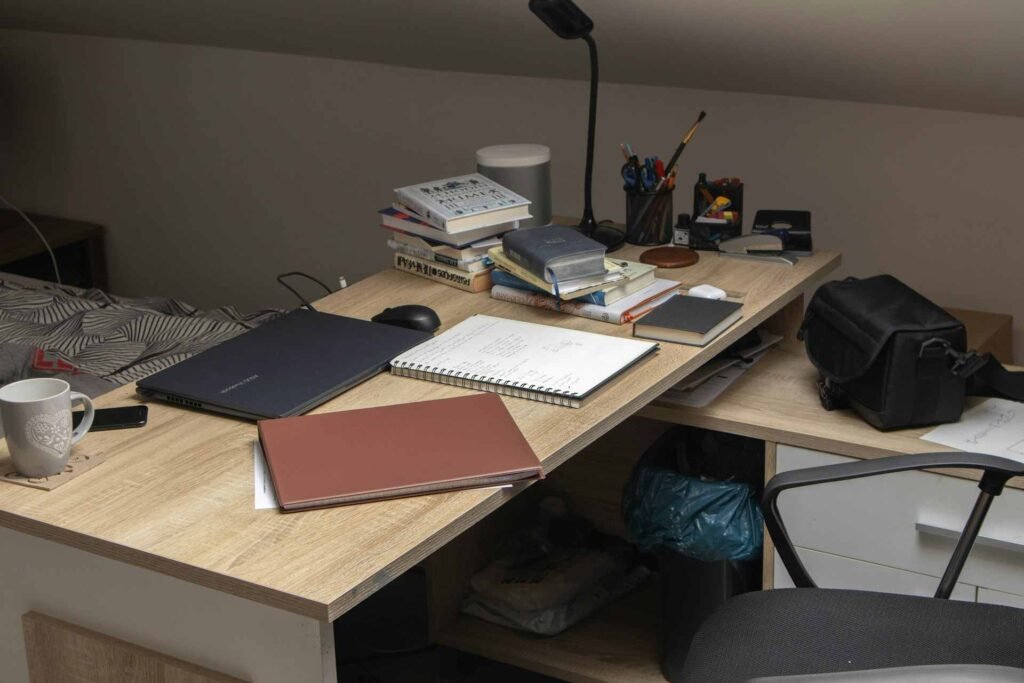
These types of office desks shine in corner spaces where rectangular desks would waste potential. They maximize square footage while creating a bit of a command center vibe. You can swivel between tasks without doing the awkward chair-walk shuffle across the room.
The typical L-shape features one longer section (around 60-72 inches) and one shorter return (48-60 inches). Some models let you choose which side gets the return, which is clutch when you’re working with specific room layouts or window placements that affect screen glare.
The Real-World Test
L-shaped desks work wonders for people juggling multiple projects simultaneously. If you’re constantly switching between computer work and physical documents, or if you need dedicated space for equipment like printers, this shape gives you breathing room without requiring a massive footprint.
The catch? You need the corner space. If your room doesn’t naturally provide a corner spot, trying to force an L-shaped desk into the middle of a wall creates weird dead zones and makes your space feel more cramped than helpful.
U-Shaped Desks: When You Mean Serious Business
U-shaped desks are the executive choice, the power move, the “I have a lot going on” option. These types of executive desks wrap around you on three sides, creating a workspace cockpit where everything lives within swivel range.
The Command Center Effect
With a U-shaped desk, you’re literally surrounded by workspace. Computer straight ahead, reference materials to the right, printer and supplies to the left, everything has a home, and nothing requires you to get up. It’s like meal prep for productivity: everything’s ready when you need it.
These desks typically feature a main section (60-72 inches) with two returns creating the U shape. The total footprint can easily reach 8-10 feet across, so you need serious space to make this work. But if you’ve got the room, the organizational possibilities are genuinely impressive.
Who Needs This Much Desk?
U-shaped desks make sense for people with genuinely complex workflows. Think executives who need space for computers, physical files, meeting areas, and presentation materials all within reach. Or creative professionals working with multiple monitors, drawing tablets, reference books, and equipment that needs permanent real estate.
They’re also surprisingly great for people who work from home and need clear work-life separation. The U-shape creates a definite “office zone” that psychologically separates work mode from everything else happening in your home.
Corner Desks: Maximum Space, Minimum Footprint
Corner desks differ from L-shaped desks in subtle but important ways. While L-shaped desks often feel like two distinct sections, corner desks are specifically designed to nestle into corners and create one continuous, curved, or angled workspace.
The Corner Conversation
These different desk shapes work magic in small spaces. By using the corner as the desk’s anchor point rather than just an endpoint, you get maximum surface area without the desk jutting out too far into the room. Many corner desks feature curved fronts or angled edges that soften the geometric harshness while creating a more ergonomic seating position.
The beauty here is efficiency. You’re not wasting corner space, you’re celebrating it. And because you’re naturally positioned in the corner rather than along one wall, you often get better sight lines to the rest of your room, nice for keeping an eye on doorways or just feeling less boxed in.
Standing and Adjustable Desk Shapes
The rise of standing desks has introduced some interesting shape considerations. Traditional desk shapes remain popular, but the adjustable component adds new dimensions to think about.

Height Dynamics
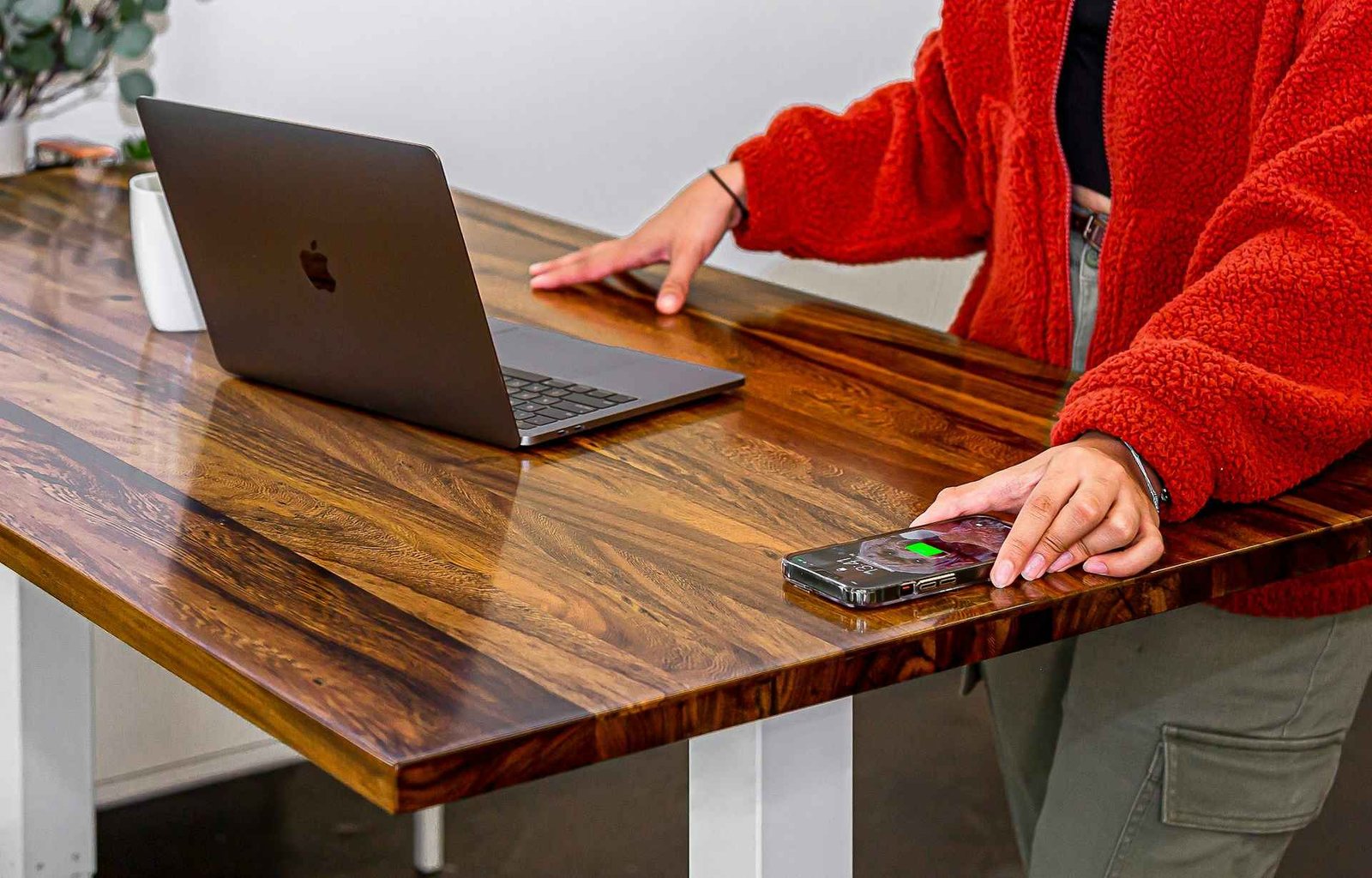
When your desk moves up and down, shape becomes even more critical. A desk that feels perfectly proportioned while sitting might suddenly feel too wide or too narrow when standing. Rectangle and L-shaped configurations work well for adjustable setups, but extremely deep desks can create reach problems when you’re standing.
The sweet spot for adjustable rectangular desks tends to be 24-30 inches deep, enough surface area for monitor and keyboard, but not so deep you’re stretching unnaturally. Some people pair standing desks with balance boards or anti-fatigue mats, which affects how much floor space you need in front of your desk.
Curved and Kidney-Shaped Desks: The Ergonomic Edge
Let’s talk about curves. Kidney-shaped and curved desks aren’t just trying to look fancy, they’re actually solving a real problem. By curving the desk toward you, these designs bring everything within easier reach while reducing the awkward reaching that plagues deep rectangular desks.
The Embrace
These types of computer desks wrap slightly around your body, creating a more intimate relationship with your workspace. The curve typically sits where you sit, putting keyboard, mouse, and essential tools in your natural reach zone without stretching or hunching.
Curved desks work particularly well for people who spend all day at their computers. The shape encourages better posture because you’re not leaning forward to reach frequently used items. They’re also surprisingly space-efficient, the curve pulls workspace toward you rather than demanding extra depth across the entire surface.
The aesthetic appeal doesn’t hurt either. There’s something softer and more approachable about curved edges compared to sharp corners. If your workspace doubles as a meeting area or gets seen in video calls, a curved desk creates visual interest without screaming “I’m trying too hard.”
Writing and Compact Desk Shapes
Not everyone needs sprawling workspace. Writing desks, secretary desks, and compact variations prove that sometimes less is genuinely more. These smaller desk types usually maintain rectangular shapes but with dramatically reduced proportions, think 36-48 inches wide and 18-24 inches deep.
Small But Mighty
Compact desk shapes force you to be intentional about what lives on your workspace. For people who work primarily on laptops with minimal extra equipment, a smaller desk eliminates the clutter-collecting potential of larger surfaces while still providing adequate work area.
These desks excel in multipurpose rooms where the workspace needs to coexist peacefully with living areas. They fit into alcoves, against short wall sections, and in spaces where full-size desks would overwhelm the room. Plus, they’re usually easier to move around when you inevitably decide to rearrange everything at 2 AM on a random Tuesday.
Comparing the Most Popular Desk Shapes
Let’s break down the practical differences between common desk configurations to help you make sense of all these options.
| Desk Shape | Best For | Space Needed | Surface Area | Flexibility |
|---|---|---|---|---|
| Rectangular | Single-task focus, traditional setups | Moderate | Medium | High – fits anywhere |
| L-Shaped | Multi-tasking, corner spaces | Moderate-Large | Large | Medium – needs corner |
| U-Shaped | Complex workflows, executive needs | Large | Very Large | Low – room-specific |
| Corner | Small spaces maximizing corners | Small-Moderate | Medium-Large | Medium – corner-dependent |
| Curved/Kidney | All-day computer work, ergonomics | Moderate | Medium | Medium – best against walls |
| Compact | Minimalists, small spaces, laptop work | Small | Small | High – very portable |
The choice between these shapes comes down to honest assessment of your work style and available space. Don’t pick the biggest desk just because it seems more professional, and don’t force yourself into a compact setup when you genuinely need space to spread out.
Material and Construction Considerations Across Shapes
While we’re focusing on shapes, it’s worth noting that construction affects how different shapes perform. Larger shapes like U-desks and L-desks need solid construction to prevent wobbling, especially at connection points where sections meet.
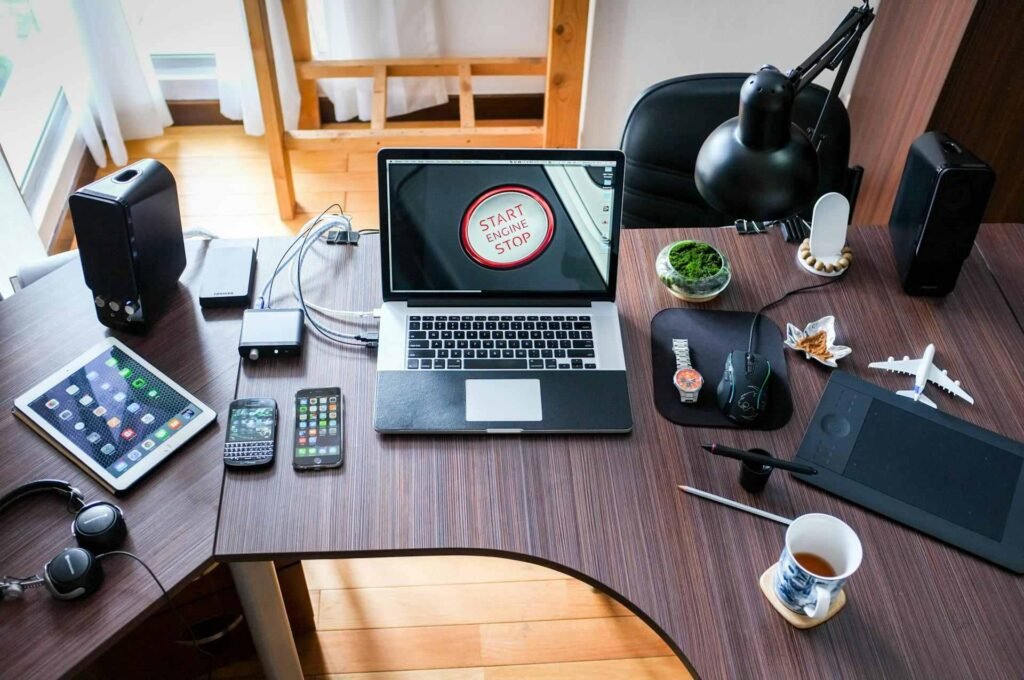
Rectangular desks can get away with lighter construction because of their simpler geometry. But complex shapes demand sturdier materials, you don’t want your L-shaped desk developing a sag at the corner joint six months in.
Consider whether you’ll need cable management solutions regardless of shape. All those electronics need somewhere to plug in, and desk shape affects where outlets naturally fall in relation to your seating position.
Desk Shape and Your Work Style Connection
Here’s where things get personal. The same desk shape doesn’t work for everyone, even in identical roles. Two graphic designers might need completely different setups based on whether they work primarily digitally or with a mix of physical sketches and computer work.
The Focus Worker
If your job involves deep, concentrated work on a single task for hours, simpler shapes work better. Rectangular desks eliminate distractions and create that tunnel-vision effect that actually helps when you’re trying to lose yourself in work. There’s beauty in minimalist functionality.
The Project Juggler
People managing multiple projects simultaneously need space to keep different workflows visible. L-shaped or U-shaped configurations let you dedicate physical zones to different projects, reducing the mental load of constantly switching contexts. When project materials have dedicated homes, your brain doesn’t work as hard to remember what’s what.
The Collaborator
If your work involves frequent video meetings or in-person collaborations, desk shape affects how others perceive your space. Curved desks appear more welcoming on camera. L-shaped desks can position you off-center, which sometimes creates better video angles than sitting dead-center at a rectangular desk.
Creating Zones Within Your Desk Shape
Regardless of which shape you choose, creating intentional zones maximizes functionality. Think about your workflow in phases: active work, reference materials, supplies, and personal items all need designated spaces.
Most people naturally create a primary zone directly in front of them for active work, computer, keyboard, immediate supplies. Secondary zones on either side hold reference materials, notebooks, or desk lighting that you need regularly but not constantly. Tertiary zones at desk edges become homes for less-used items or personal touches that make your space feel human.
The beauty of different desk shapes is they naturally suggest zoning strategies. L-shaped desks basically scream “two distinct zones!” while rectangular desks encourage linear organization from left to right. Work with your desk shape rather than against it.
The Multi-Monitor Consideration
Modern work increasingly involves multiple screens, which dramatically affects desk shape decisions. You need enough width for monitors without excessive depth that pushes screens too far away.

For dual-monitor setups, rectangular desks at least 60 inches wide provide comfortable screen spacing. Curved desks naturally accommodate multiple monitors by wrapping them slightly around your vision. L-shaped desks let you experiment with monitor placement, some people put both on the main section, others put one on each section for distinct workspaces.
Triple monitor setups or ultra-wide screen configurations really benefit from wider rectangular or L-shaped desks. You need the width without so much depth that you’re craning to see the middle screen.
Desk Shapes and Posture Implications
We’d be remiss not to mention how desk shape affects your body. The configuration of your workspace directly influences your posture throughout the day, which matters more than most people realize until their back starts protesting.
Depth is critical across all shapes. Desks that are too deep encourage leaning forward to reach keyboards and mice, which creates shoulder and neck tension over time. Desks too shallow force monitors too close, which strains eyes and creates a cramped feeling.
Curved and kidney-shaped desks often provide better ergonomic support by bringing work items into natural reach zones. But even with optimal shapes, you’ll still benefit from proper accessories and paying attention to your body’s feedback.
The shape should support neutral positioning where your elbows bend at roughly 90 degrees, your screen sits at or slightly below eye level, and you’re not reaching or straining to access frequently used items. If your current desk shape forces awkward positioning, no amount of adjusting will fully compensate.
FAQ
What desk shape is best for small spaces?
Rectangular desks under 48 inches wide or compact corner desks work best for tight spaces. They provide adequate workspace without overwhelming the room. Corner desks specifically maximize unused corner space while maintaining a small overall footprint. If you’re working primarily on a laptop with minimal extra equipment, a writing desk style rectangular shape around 36-42 inches wide gives you just enough space without dominating the room.
Can I use an L-shaped desk without a corner?
Technically yes, but it’s not ideal. L-shaped desks positioned against a flat wall create awkward gaps and wasted floor space at the return section. The design specifically maximizes corner spaces, so forcing it elsewhere defeats the purpose. If you love the L-shape concept but lack corners, consider a rectangular desk with a small side table instead, you get similar functionality with better space usage.
Do standing desks work better with certain shapes?
Rectangular shapes work best for height-adjustable standing desks. The simpler geometry maintains stability during height changes, and the uniform depth ensures comfortable reach whether sitting or standing. L-shaped and U-shaped standing desks exist but require more robust mechanisms and cost significantly more. If you’re committed to both standing capability and an L-shape, expect a substantial investment in quality construction.
What’s the difference between a corner desk and an L-shaped desk?
Corner desks are designed specifically to fit into corners with integrated angles or curves at the corner junction, often featuring curved fronts. L-shaped desks consist of two distinct sections meeting at a right angle, creating two separate work zones. Corner desks typically feel like one continuous workspace, while L-shaped desks naturally separate into primary and secondary areas. The practical difference is subtle but affects how you organize and use the space.
How much space do I actually need for a U-shaped desk?
Plan for at least 10 feet by 10 feet of floor space to comfortably accommodate a U-shaped desk and a chair with room to move. The desk itself typically spans 7-8 feet across the U opening and extends 6-7 feet deep including both returns. You also need clearance behind the chair for pulling in and out, plus any traffic space if the desk isn’t against a wall. These desks demand significant room commitment, measure carefully before buying.
Are curved desks worth the extra cost?
If you spend 6+ hours daily at your computer and struggle with reach issues or shoulder tension, curved desks often justify the premium through better ergonomics. The shape brings frequently used items into easy reach without strain. However, if your work involves lots of paperwork or spreading out materials, the reduced flat surface area might frustrate you. Consider your specific work style, ergonomic benefits only matter if they align with how you actually work.
Can desk shape really affect productivity?
Shape itself doesn’t make you more productive, but the wrong shape absolutely creates friction that hinders productivity. A shape that matches your workflow reduces physical and mental effort throughout the day, letting you focus on actual work rather than fighting your workspace. The cumulative effect of reduced reaching, better organization, and less frustration adds up over weeks and months. It’s not magic, but it’s not nothing either.
Wrapping Up Your Desk Shape Journey
So here we are, having talked about more desk corners and curves than probably seems reasonable. But here’s the thing, you spend a ridiculous amount of time at your desk. Getting the shape right isn’t overthinking it; it’s just being smart about one of the most-used items in your daily life.
The perfect desk shape for you sits at the intersection of your actual work needs, your available space, and your honest assessment of how you work. Not how you think you should work, not how productivity gurus say you should work, but how you really work on a random Wednesday when nobody’s watching.
Maybe you’re the person who needs that sprawling U-shaped command center to feel truly in control of your projects. Or maybe you’re thriving with a simple rectangular surface and some good intentions. Both are completely valid, and plenty of other options exist between those extremes.
The real secret? Even the most perfectly shaped desk won’t fix a workflow that’s fundamentally not working. But the right shape removes friction, creates natural organization, and generally makes your work life feel less like a battle and more like a flow. And honestly, after several hours of sitting at a desk, anything that makes the experience more pleasant deserves serious consideration.
Looking for more? Check out our office furniture category for more articles and guides that may interest you!
Featured image credit: Photo by EFFYDESK on Unsplash
This content is for informational purposes only. Please verify current information directly on the retailer’s site before purchasing.