Why Your Legs Go Numb in Your Office Chair (Plus Easy Fixes)
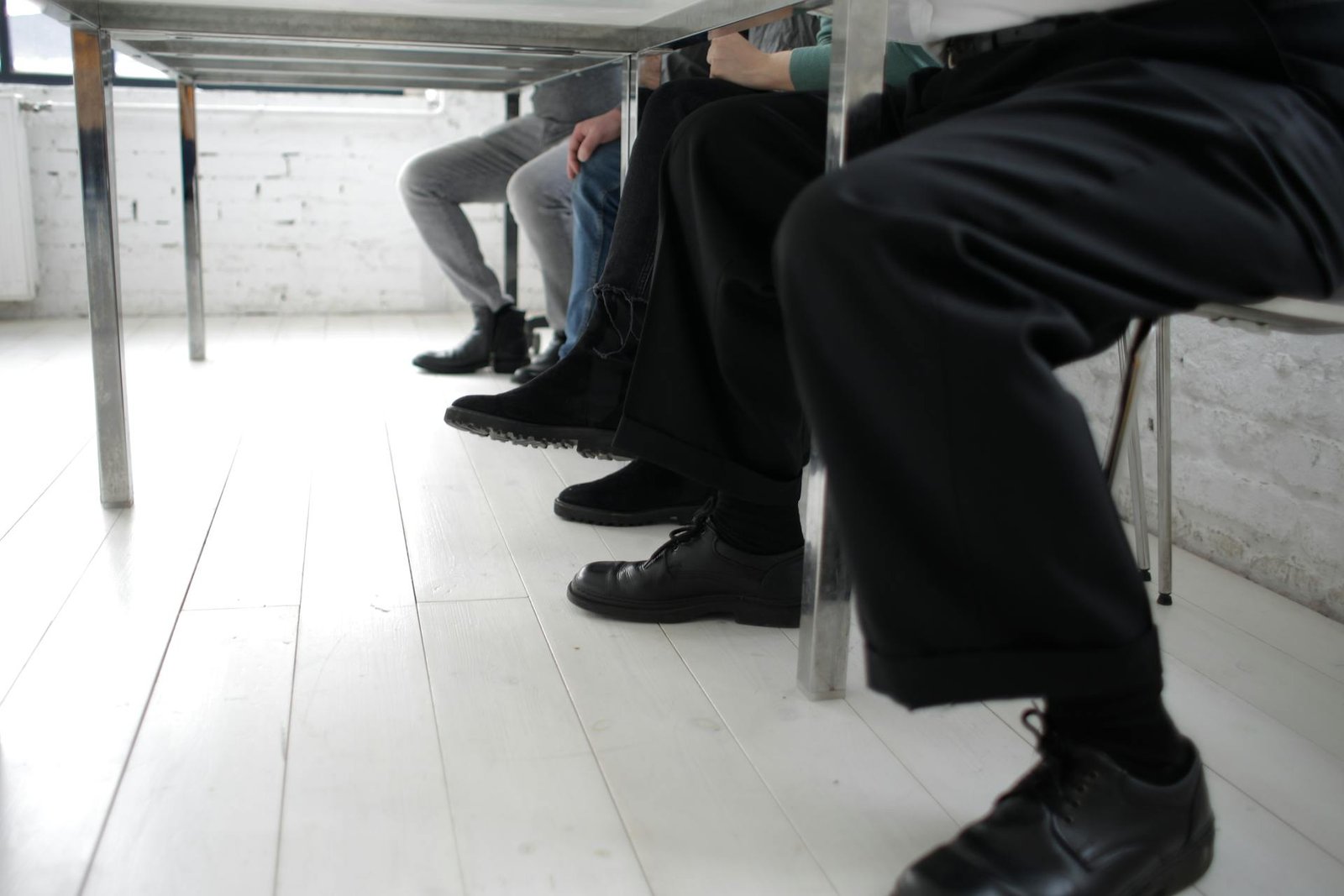
You know that tingly, pins-and-needles sensation that creeps up your legs about an hour into your workday? The one where you stand up and suddenly feel like you’re walking on a cloud made of static electricity? Yeah, we’re talking about that. If your legs go numb in your office chair more often than you’d like to admit, you’re definitely not alone.
The good news is that numb legs aren’t just something you have to live with, like fluorescent lighting or that one coworker who microwaves fish. There are actual reasons why this happens, and even better, there are solutions that don’t involve quitting your job to become a park ranger.
What’s Actually Happening When Your Feet Go Numb When Sitting in a Chair
Let’s get into the science without making it sound like a medical textbook. When your legs go numb when sitting on a chair, what’s really happening is a temporary disruption of either blood flow or nerve signals to your lower body. Think of it like a garden hose that gets kinked: everything downstream starts to suffer.
Your body has this incredible network of blood vessels and nerves running through it, and sitting puts pressure on specific points where these pathways are most vulnerable. The backs of your thighs, your hip area, and even your lower spine can all become pressure points that interfere with normal circulation and nerve function.
The sensation usually starts subtle. Maybe just a little tingling in your toes. Then it spreads upward, and before you know it, you’re doing that awkward shake-your-leg-under-the-desk dance that everyone pretends not to notice. In more technical terms, you’re experiencing either compression of the nerves (like when your sciatic nerve gets pinched) or reduced blood flow to the lower extremities.
The Real Culprits Behind Why Your Legs Go Numb When You Sit Down
Your Chair Is Working Against You
Here’s the uncomfortable truth: most office chairs weren’t designed with your actual body in mind. That seat pan, the flat part you’re sitting on right now, might be too deep, too short, or angled in a way that puts pressure exactly where it shouldn’t. When the front edge of your seat digs into the back of your thighs, it’s like putting a tourniquet on your legs for eight hours a day.
The height matters too. If your chair is too high, your feet dangle and all your weight concentrates on your thighs. Too low, and your knees end up higher than your hips, which creates a different kind of pressure problem. Either way, your circulation pays the price.
Sitting Position Gone Wrong
Even the best chair in the world can’t save you from terrible posture. When you slouch, perch on the edge of your seat, or sit cross-legged like you’re at a meditation retreat, you’re creating pressure points that nature never intended. That thing where you tuck one foot under your opposite thigh? Circulation nightmare. Crossing your legs at the knee for extended periods? Same problem.
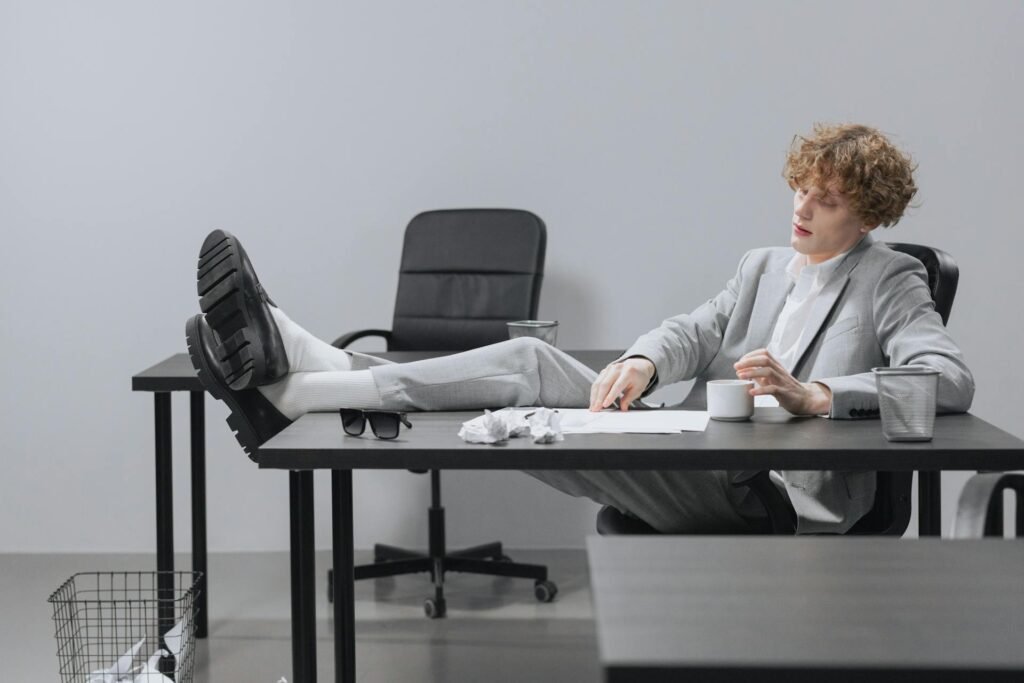
We’ve all been there, slowly sliding forward in our chairs as the day progresses until we’re practically horizontal. It feels comfortable in the moment, but what you’re actually doing is putting sustained pressure on the sciatic nerve and restricting blood flow through some pretty important vessels.
Related article: Do Standing Desks Actually Improve Your Posture?
The Time Factor
Your body can handle a lot, but it wasn’t designed for the modern office marathon. Sitting in the same position for hours turns your chair into a medieval torture device, just one that comes with lumbar support and a five-year warranty. What does it mean when your legs go numb while sitting? Often, it means you’ve been in one position for way too long.
The human body craves movement. When you stay still, blood pools in your lower extremities, and nerve compression becomes increasingly problematic. It’s why that two-hour meeting feels fine for the first 30 minutes and then progressively worse until you’re plotting your escape just to get the blood flowing again.
Quick Comparison: Good Chair Setup vs Problem Chair Setup
| Feature | Circulation-Friendly Setup | Numbness-Causing Setup |
|---|---|---|
| Seat Height | Feet flat on floor, knees at 90° | Feet dangling or knees above hips |
| Seat Depth | 2-3 inches between seat edge and back of knees | Seat edge pressing into thighs |
| Seat Angle | Slightly forward tilt or neutral | Tilted backward, causing sliding |
| Backrest | Supporting natural spine curve | Too reclined or not used at all |
| Armrests | Supporting arms without hunching | Too high, too low, or unused |
| Duration | Regular position changes every 30-45 min | Static position for hours |
Solutions That Actually Work
Get Your Chair Situation Sorted
First things first: adjust everything. Yes, everything. Start with seat height so your feet rest flat on the floor or on a footrest. Your knees should form roughly a 90-degree angle, give or take. This simple adjustment alone can make a huge difference in how blood flows through your legs.
Next, check that seat depth. There should be about two to three fingers’ worth of space between the front edge of your seat and the back of your knees. If your chair doesn’t adjust that way, a lumbar support cushion positioned correctly can effectively shorten the seat depth while giving your lower back some love.
The seat angle matters more than most people realize. A slight forward tilt, even just a couple of degrees, encourages better posture and reduces pressure on the backs of your thighs. If your chair doesn’t have this adjustment, you might need to consider whether it’s time for an upgrade. And no, we don’t mean just buying a fancier chair, we mean getting one that actually fits your body and has the adjustments you need.

Support Your Extremities
Sometimes the issue isn’t just the chair but what’s happening (or not happening) below it. If your feet don’t comfortably reach the floor, the added pressure on your thighs can cause numbness surprisingly quickly. A simple footrest can be a total game-changer here, giving your feet something solid to rest on and distributing your weight more evenly.
For those who find that even with perfect chair adjustment, they still get uncomfortable pressure points, specialized seat cushions can help distribute weight more evenly. Look for ones designed specifically for circulation, often made with gel or memory foam that molds to your shape without creating new pressure points.
Move Like You Mean It
This is where we tell you something you probably already know but don’t want to hear: you need to move more. The thing is, we’re not talking about adding a gym membership to your already packed schedule. We’re talking about micro-movements throughout your day that keep blood flowing and nerves happy.
Set a timer for every 30-45 minutes. When it goes off, stand up. Walk to get water. Do some calf raises while you’re on that conference call. Stretch your legs under your desk. Rotate your ankles. These tiny interventions add up to major improvements in circulation.
Some people swear by standing desks, and while they’re not magic bullets, alternating between sitting and standing throughout the day can definitely help. The key word is alternating, standing all day comes with its own set of problems.
Strategic Positioning
Pay attention to how you’re sitting. Keep both feet flat on the floor or footrest, no crossing your legs or tucking them under you. Sit back in your chair so your backrest actually supports your back; that’s literally what it’s there for. Keep your weight evenly distributed across both hips.
When you do need to change position (and you will, because staying perfectly still is both impossible and inadvisable), do it consciously. Shift your weight from one side to the other. Lean forward for a bit, then back. Move your feet to different positions. The goal is to avoid sustained pressure on any single area.
The Power of Good Circulation Habits
Beyond the chair itself, think about what supports healthy circulation throughout your day. Staying hydrated helps blood flow more easily. Wearing clothes that don’t constrict your legs or waist makes a difference too; those super tight pants might look great, but they’re not doing your circulation any favors.
If you wear compression socks for other reasons, they might actually help here too by promoting better blood flow from your legs back to your heart. Just make sure they’re properly fitted, because poorly fitted compression wear can make things worse.
When to Take It Seriously
Most of the time, numb legs from sitting are just an annoying consequence of modern office life. But sometimes, persistent or severe numbness can signal something that needs medical attention. If numbness comes with pain, weakness, or doesn’t resolve quickly when you change position or move around, it’s worth mentioning to a healthcare provider.
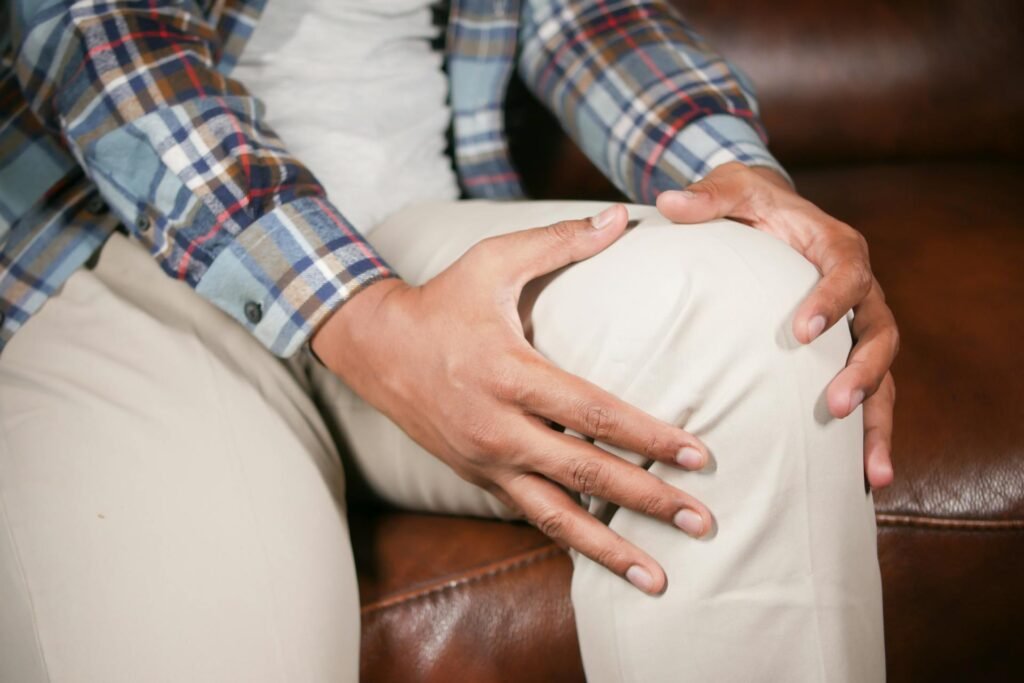
Similarly, if you experience numbness that spreads, happens frequently despite making all the right adjustments, or is accompanied by other symptoms like changes in skin color or temperature in your legs, don’t just tough it out. These could be signs of circulation issues or nerve problems that need professional evaluation.
We’re not trying to scare you, just realistic. The vast majority of office chair leg numbness is exactly what it seems like: pressure and position issues that are annoying but not dangerous. But it’s good to know the difference between “this is uncomfortable” and “this might be a problem.”
Small Changes, Big Impact
The beautiful thing about solving the numb leg problem is that the solutions often have bonus benefits. When you adjust your chair properly, your back usually feels better too. When you move more throughout the day, you have more energy and better focus. When you pay attention to circulation, you might notice fewer headaches and less overall fatigue.
Think of it as a cascading effect of good choices. You start by trying to fix your numb legs, and suddenly you realize you’re sitting better, moving more, and generally feeling more comfortable throughout your workday. Those better armrest pads you added to reduce pressure? They’re also helping your shoulder tension. That reminder to stand up regularly? It’s giving your eyes a break from the screen too.
The Reality of Office Ergonomics
Here’s something we need to be honest about: creating the perfect ergonomic setup is part science, part trial and error, and part accepting that no single position is going to be comfortable forever. The human body is designed for movement, and we’re asking it to do something fairly unnatural by sitting still for hours at a time.
That doesn’t mean we’re doomed to discomfort, it just means we need to work with our bodies rather than against them. The goal isn’t to find the one perfect sitting position and maintain it like a statue. The goal is to create conditions where you can comfortably shift, move, and adjust throughout your day without your legs staging a protest via numbness.
FAQ
How long does it take for numbness to go away after standing up?
Typically, that tingly sensation should start fading within a few seconds to a couple of minutes of standing up and moving around. If you’re still feeling significant numbness after five minutes of movement, or if it happens repeatedly, you might want to look more carefully at your setup or consider checking with a healthcare provider.
Can your office chair cause permanent nerve damage?
While it’s rare, sustained and repeated nerve compression over long periods could potentially lead to more lasting issues. The good news is that your body usually gives you plenty of warning signs (like that numbness we’re talking about) long before anything serious happens. Listen to those signals and make adjustments before problems become chronic.
Is it better to sit with your knees higher or lower than your hips?
Generally, your knees should be at about the same height as your hips, or very slightly lower. This creates that optimal 90-degree angle that promotes good circulation. When your knees are significantly higher than your hips, it puts extra pressure on your lower back and can compress blood vessels in your legs.
Do expensive office chairs prevent leg numbness better than cheaper ones?
Not necessarily. While pricier chairs often have more adjustment options, what matters most is whether the chair fits your body and allows you to position yourself correctly. A moderately priced chair that has the right adjustments and fits your proportions will beat an expensive chair that doesn’t. Focus on features and fit rather than price tag.
Should I be worried if only one leg goes numb?
One-sided numbness can happen if you’re putting more weight on that side or if you tend to cross your legs in a way that affects one more than the other. However, if it’s consistently the same leg and you can’t identify a positional cause, it’s worth mentioning to a doctor to rule out any underlying issues with circulation or nerves on that side.
Wrapping It Up
Nobody should have to spend their workday dealing with numb legs, doing that weird under-desk leg shake, or hobbling around like a newborn giraffe every time they stand up. The solution usually isn’t complicated, it’s about getting your chair set up right, moving regularly, and paying attention to what your body is telling you.
Start with the basics: adjust your chair height, check that seat depth, and set a reminder to move. See how those changes feel for a few days. Then fine-tune from there. Maybe you need a footrest, maybe you need to stop sitting cross-legged, or maybe you just need to actually use that fancy adjustable chair the way it was designed to be used.
Your legs do a lot for you, literally carrying you through life. The least you can do is give them a fighting chance during those long workdays. Besides, think of all the time you’ll save not having to wait for the feeling to return to your feet before you can walk to your next meeting. That’s a productivity hack nobody talks about, but everybody who’s experienced the numb-leg shuffle knows exactly what we mean.
Looking for more? Check out our office furniture category for more articles and guides that may interest you!
Featured image credit: Photo by Andrea Piacquadio on Pexels
This content is for informational purposes only. Please verify current information directly on the retailer’s site before purchasing.