How to Get Over Laziness and Procrastination: Why Your Brain Sabotages You

There are moments when a task is clearly defined, the deadline is known, and yet progress stalls. Instead of starting, attention shifts to minor, low-stakes activities that feel easier to complete. The pattern is frustrating precisely because the solution appears obvious: just begin.
Overcoming procrastination and perceived laziness does not depend on discovering hidden reserves of willpower. It requires understanding the underlying mechanisms that drive avoidance and implementing practical strategies that align with how attention, energy, and motivation operate. Once those patterns are clear, change becomes far more manageable.
What’s Going On When You Procrastinate
Contrary to popular belief, procrastination isn’t a character flaw or a sign that you’re fundamentally broken. Your brain is trying to protect you from something, even if that protection feels wildly misplaced when you’re staring down a deadline at 11 PM.
When you put off tasks, your brain is usually responding to one of a few triggers: the task feels overwhelming, it seems boring or unrewarding, you’re afraid of failing (or sometimes succeeding), or you’re exhausted and need rest. Sometimes it’s a mix of all these things happening at once.
Laziness, on the other hand, is often just fatigue wearing a disguise. What looks like not wanting to do anything might be your body and mind desperately needing recovery time. The modern workspace doesn’t always make it easy to recognize when you’ve hit your limit, especially when you’re working in environments that don’t support your physical comfort.
The Psychology Behind Why We Put Things Off
Your brain runs on an interesting reward system. It wants immediate gratification, and it wants to avoid discomfort. That report due next week? Your brain sees it as future-you’s problem. That Netflix episode? Instant reward, zero effort. The math seems pretty straightforward from your brain’s perspective.
This explains why you might feel incredibly productive doing literally anything except the one thing you need to do. You’re not being lazy; you’re satisfying your brain’s craving for that dopamine hit that comes from completing tasks. You just happen to be completing the wrong tasks.
Another factor is decision fatigue. When you’re constantly making choices throughout the day, your mental energy depletes. By the time you get to that important project, your brain is running on fumes and opts for the path of least resistance every single time.

How to Combat Laziness and Procrastination
Start Small
When a task feels massive, your brain treats it like a threat. The solution? Make it so small it feels almost silly. Instead of “write the report,” try “open the document.” That’s it. Just open it. You’d be surprised how often getting started with the tiniest possible action leads to continuing.
This approach works because it bypasses your brain’s threat response. There’s no overwhelm when the task is opening a file or writing a single sentence. Once you’re in motion, staying in motion becomes significantly easier than starting from a complete standstill.
Design Your Environment for Success
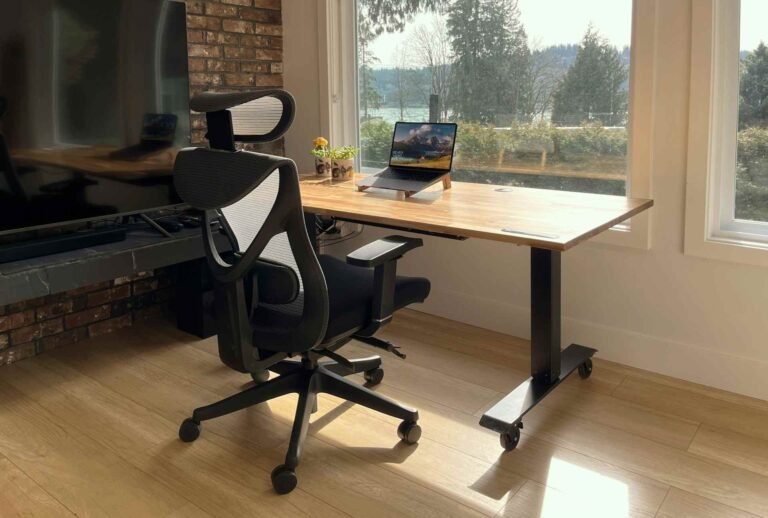
Your physical space has more influence over your behavior than you probably realize. A cluttered desk sends signals to your brain that things are chaotic and overwhelming. Meanwhile, a workspace that supports focus can make the difference between productive hours and watching the clock.
Consider the sensory elements around you. Are you working in harsh fluorescent lighting that drains your energy? Maybe adding some better illumination could shift your mood and focus. Is your chair uncomfortable, making you antsy and distracted? Small environmental tweaks often yield surprisingly big results.
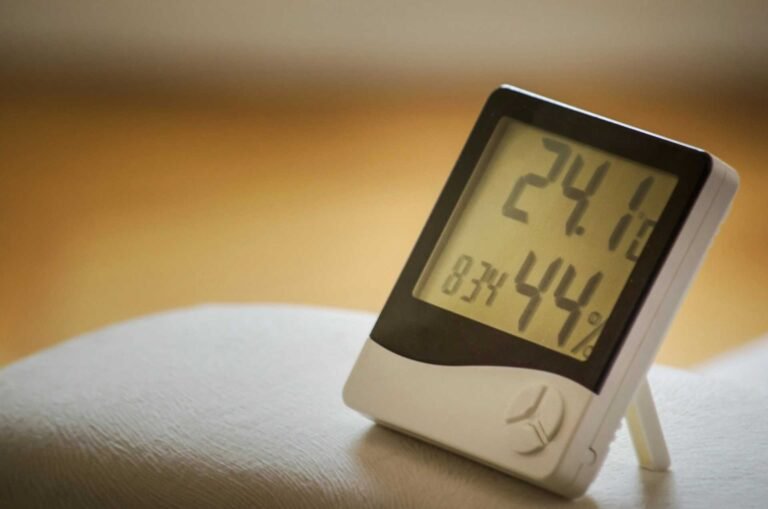
Temperature matters too. If you’re constantly cold and distracted by discomfort, your ability to focus plummets. Sometimes the simplest solution is addressing the physical barriers standing between you and productivity.
The Two-Minute Rule and Its Power
If something takes less than two minutes, do it immediately. This simple rule prevents small tasks from piling up into an overwhelming mountain that triggers procrastination. It also builds momentum. Each tiny completion gives you a small win, and those wins accumulate into genuine motivation.
The beauty of this approach is that it works with your brain’s reward system rather than against it. You get frequent dopamine hits from completing tasks, which makes you more likely to tackle the next thing on your list.
Your Energy Patterns
Some people are sharpest in the morning, while others don’t hit their stride until afternoon or evening. Fighting against your natural rhythms is a recipe for frustration.
Track when you feel most alert and focused over a week or two. Then schedule your most challenging or important tasks during those peak windows. Save the mindless stuff for when your energy naturally dips. This isn’t lazy; it’s strategic.

Your physical state plays into this as well. If you’ve been sitting for hours, your body might need movement to reset your focus. Some people find that incorporating active elements into their routine helps maintain energy levels throughout the day.
Creating Systems That Work Long Time
The Procrastination Emergency Kit
Build yourself a toolkit for when procrastination strikes. This might include:
For when you feel overwhelmed: Break the task into absurdly small steps and only commit to the first one.
For when you feel bored: Add a timer and race against it, or pair the task with something enjoyable like your favorite music.
For when you feel scattered: Create a distraction-free zone by clearing your workspace and using tools that block tempting websites for a set period.
For when you feel tired: Take an actual break instead of a fake one. Ten minutes of genuine rest beats two hours of scrolling while feeling guilty.
The Planning Paradox
Here’s something interesting: spending too much time planning can itself become a form of procrastination. You feel productive because you’re “working on” the project, but you’re avoiding the harder work of execution.
Related article: Google Calendar vs Apple Calendar vs Outlook: Which Calendar App Wins?
Set a time limit for planning. Give yourself fifteen minutes to map out your approach, then dive in. You can always adjust as you go, and you’ll learn more from doing than from theorizing anyway.
Accountability Without Guilt Trip
Telling someone else about your goals can help, but only if it’s the right person in the right way. Choose someone who will check in supportively rather than judgmentally. The goal is gentle accountability, not shame.
Some people prefer external accountability systems, like coworking sessions or body doubling (working alongside someone else, even virtually). The presence of another person working can create just enough structure to keep you on track.
When Procrastination Becomes Chronic
Sometimes what looks like simple procrastination is something more. If you consistently struggle despite trying multiple strategies, it might be worth exploring whether something else is going on.

Chronic procrastination can be linked to anxiety, depression, ADHD, or other conditions that affect executive function. There’s no shame in seeking professional support if your relationship with tasks and time feels stuck. Sometimes the most productive thing you can do is recognize when you need help beyond self-help strategies.
The Role of Rest
This might sound counterintuitive in an article about overcoming laziness, but sometimes the real problem is that you need rest and your body is forcing the issue through procrastination.
Modern work culture treats constant productivity as the goal, but humans aren’t machines. If you’ve been pushing hard for weeks or months, your brain might be staging a rebellion by making it nearly impossible to focus. In these cases, trying to force productivity only makes things worse.
Real rest means disconnecting, not just sitting on your couch while mentally reviewing your task list. It means giving yourself permission to do nothing productive, to recharge fully so you can return to work with genuine energy rather than forcing yourself forward on empty.
Better Habits Through Environmental Design
| Challenge | Environmental Solution | How It Helps |
|---|---|---|
| Getting distracted by phone | Keep it in another room while working | Removes the temptation entirely instead of relying on willpower |
| Feeling sleepy at desk | Adjust lighting and consider a standing desk | Physical changes affect alertness and focus |
| Losing focus in noisy spaces | Use noise-masking tools or headphones | Creates auditory boundaries that support concentration |
| Feeling physically uncomfortable | Invest in ergonomic support items | Removes physical distractions from discomfort |
The principle behind all of these is the same: make the desired behavior easier and the undesired behavior harder. When your environment supports your goals, you spend less mental energy fighting yourself.
Quick Wins for Immediate Progress
Sometimes you need fast results to break a procrastination cycle. Here are tactics that work within minutes:
Set a timer for ten minutes and commit to working just until it goes off. Most of the time, you’ll find yourself continuing beyond the timer because starting was the hardest part.
Change your location. If you’ve been procrastinating in one spot, moving to a different room or space can reset your mental state and make the task feel fresh.
Do a physical reset. Stand up, stretch, take five deep breaths, or do a few jumping jacks. Physical movement can shift your mental state surprisingly quickly.
Make the first step laughably easy. Not “work on the presentation,” but “open PowerPoint.” Not “clean the kitchen,” but “put one dish in the dishwasher.”
The Myth of Motivation
Here’s something nobody tells you: waiting for motivation is itself a form of procrastination. Motivation often comes after you start, not before. People who seem naturally motivated have usually just gotten better at starting before they feel like it.
This doesn’t mean you should ignore how you feel entirely. But it does mean that “I don’t feel like it” doesn’t have to be the end of the conversation. You can acknowledge the feeling and still take action. Sometimes the doing creates the feeling, not the other way around.

Building systems and routines helps precisely because they remove the motivation question from the equation. When something is part of your routine, you do it regardless of how you feel about it, the same way you brush your teeth even when you’re not particularly excited about dental hygiene.
Dealing with Digital Distractions
Technology is incredible at derailing focus. You sit down to work, and suddenly you’ve lost twenty minutes to social media or news sites. The problem isn’t you; it’s that these platforms are designed by teams of people whose entire job is capturing and holding your attention.
Fighting this requires strategy. Block distracting sites during work hours. Put your phone on do not disturb. Close email and messaging apps instead of just minimizing them. Each of these removes a decision point where you might choose distraction.
Consider what you’re getting from these distractions. Often they provide a sense of connection or newness that feels lacking in your work. If that’s the case, can you build those elements into your work itself? Taking genuine breaks to connect with colleagues or switching between different types of tasks can satisfy those needs in healthier ways.
What to Do When You’re Overwhelmed
When everything feels urgent and important, your brain tends to freeze rather than prioritize. The paralysis that results looks a lot like laziness but is a stress response.
The solution starts with getting everything out of your head and onto paper or a screen. Write down every task, big and small. Then categorize them: what absolutely must happen today, what can wait until tomorrow, and what can wait until next week.
From your “must do today” list, choose just three tasks. That’s it. Three things. Completing three meaningful tasks is infinitely better than partially completing ten while feeling guilty about fifteen others.
Be ruthless about what needs to be done versus what you think should be done. Sometimes our task lists are full of “shoulds” that don’t serve us or move anything important forward. Deleting those creates breathing room for what matters.
Accountability Partners and Body Doubling
Working alongside someone else, even virtually, can transform your ability to focus. This works because of social facilitation: people tend to perform better on tasks when others are present. You’re not working together on the same project; you’re simply sharing space while you each work on your own things.
Virtual coworking has made this accessible even when you’re working from home. You video call a friend or colleague, exchange brief updates about what you’re each working on, then mute and work in parallel. Just knowing someone else is there can be enough to keep you on track.
The key is finding the right match. You want someone who will be supportive but not chatty, focused but not judgmental. The energy should feel motivating rather than stressful.
FAQ
Why do I procrastinate even when I know it’s making things worse?
Procrastination is an emotional regulation problem, not a time management problem. Your brain is trying to avoid the negative feelings associated with the task (anxiety, boredom, fear of failure) by choosing a more pleasant immediate activity. Knowing this doesn’t make it stop, but understanding the mechanism helps you address the actual issue instead of just beating yourself up about it.
Is there a difference between laziness and procrastination?
Yes. Procrastination is actively avoiding a specific task you know you need to do, often while doing other less important tasks. Laziness is more about a general lack of energy or motivation across the board. What we call laziness is often fatigue, burnout, or depression rather than a character flaw.
How long does it take to break a procrastination habit?
There’s no magic number because it depends on what’s driving the procrastination and what strategies you’re using. Some people see improvement within days of implementing new systems, while deeper patterns might take weeks or months to shift. Focus on progress rather than perfection.
Can procrastination ever be productive?
Sometimes what looks like procrastination is your brain processing things in the background. Taking time away from a problem can lead to better solutions. The difference is intentional breaks versus avoidance. If you’re consciously choosing to step back and let ideas percolate, that’s strategic. If you’re scrolling social media while feeling guilty, that’s not.
What if I’ve tried everything and still can’t stop procrastinating?
If you’ve tried multiple approaches consistently and still struggle significantly, it might be worth talking to a professional. Chronic procrastination can be a symptom of ADHD, anxiety, depression, or other conditions that respond to treatment. Getting support isn’t failure; it’s recognizing when you need different tools.
Conclusion
Addressing procrastination and low motivation involves creating conditions that reduce friction, clarifying priorities, and recognizing when avoidance stems from overwhelm, fatigue, or fear rather than indifference.
Effective change begins with structure. Smaller task definitions, supportive environments, intentional breaks, and realistic expectations make consistent progress possible. Over time, these systems reduce reliance on fluctuating motivation and replace it with repeatable action.
There will be periods when focus comes easily and others when it requires deliberate effort. What determines long-term improvement is not intensity, but consistency. Starting with manageable steps, refining routines, and adjusting when necessary produces more sustainable results than attempting dramatic overhauls.
When avoidance resurfaces, treat it as information rather than failure. Identify the trigger, select an appropriate strategy, and take the smallest meaningful step forward. Begin with one task. Define the first action clearly and complete it. Then proceed to the next.
Looking for more? Check out our productivity tools category for more articles and guides that may interest you!
Featured image credit: Photo by Vitaly Gariev on Unsplash
This content is for informational purposes only. Please verify current information directly on the retailer’s site before purchasing.
References:
insightspsychology (2024). The Neuroscience of Procrastination: What Happens in Your Brain? https://insightspsychology.org/the-neuroscience-of-procrastination/
Neel Burton (2024). The Psychology of Laziness. https://www.psychologytoday.com/us/blog/hide-and-seek/201410/the-psychology-of-laziness
Procrastination Psychology: Understanding Effects, Causes, and Solutions (2023). https://www.ie.edu/center-for-health-and-well-being/blog/procrastination-psychology-effects-causes-strategies/
Kosikova, Martina & Loumová, Veronika & Kovalova, Jana & Vašaničová, Petra & Bondarenko, Viktoria. (2019). A Cross-Culture Study of Academic Procrastination and Using Effective Time Management. Periodica Polytechnica Social and Management Sciences. 28. https://doi.org/10.3311/PPso.13348
Last reviewed and edited on 21.02.2026