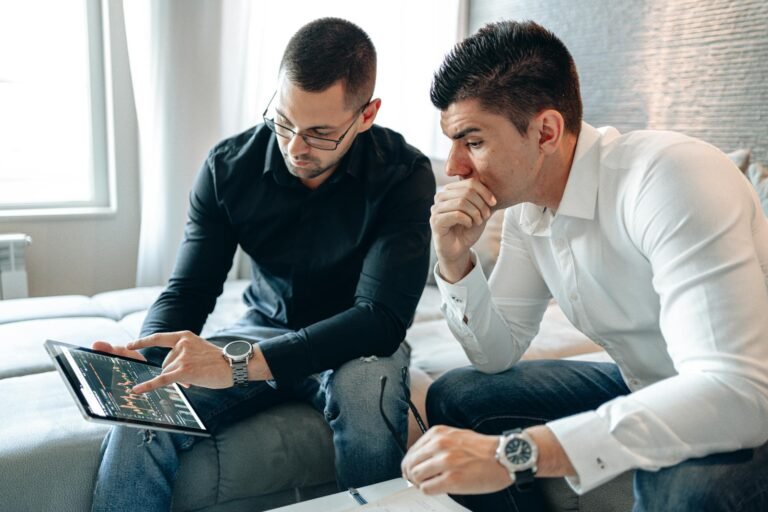
Negative Body Language at Work: What You’re Saying Without a Word

You rehearsed the pitch. You knew your numbers cold. And yet, somehow, the room didn’t buy it. No one interrupted you, no one argued back, they just kind of… nodded politely and moved on. Odds are, your words were solid, but something else was broadcasting a very different message. Negative body language at work is one of those silent career landmines that most people never get told about directly, because, well, it’s awkward to tell someone their posture is killing their credibility.
Nonverbal communication often carries more weight than the words themselves. Research replicated across multiple workplace studies suggests that our physical cues shape how colleagues perceive our confidence, competence, and trustworthiness long before we open our mouths. For anyone who spends significant time in meetings, on video calls, or collaborating in an office, that’s a big deal.
Why Body Language at Work Carries Weight
There’s a persistent myth that if your ideas are strong enough, how you carry yourself doesn’t matter. Workplaces like to believe they’re purely rational environments. They’re not. Humans are wired to read social cues constantly, and offices are no exception to that biology.
A landmark study by Mehrabian, often misquoted as meaning “93% of communication is nonverbal”, more precisely found that in emotionally charged or ambiguous situations, nonverbal signals dominate interpretation. In a workplace context, that means during a performance review, a team disagreement, or a high-stakes presentation, what your body is doing may be doing more talking than your actual talking.
The importance of body language in the workplace isn’t just about first impressions, either. It compounds over time. Colleagues form persistent mental models of who you are based on repeated nonverbal cues. The person who crosses their arms in every meeting slowly accumulates a reputation for being closed off or resistant to ideas, even if they’re just cold. The one who never makes eye contact starts to seem untrustworthy to peers who have no specific complaint to point to. These patterns are subtle, largely unconscious, and surprisingly durable.
There’s also a feedback loop worth noting: your own nonverbal behavior affects your internal state. Research from Amy Cuddy found that body posture influences hormonal responses related to stress and confidence. Slouching doesn’t just look disengaged to others, it can actually reinforce feelings of low confidence in you. Which means fixing your physical cues is a two-for-one deal.
The Most Common Examples of Negative Body Language
Rather than reciting a generic list, it helps to think of these in context, specifically, the situations where they tend to appear and the messages they accidentally send. Many of these show up in clusters, which makes them harder to miss once you know what you’re looking for.
The Crossed-Arms Default
This is probably the most cited example of negative body language used at work. Crossed arms during a conversation or presentation signal defensiveness, skepticism, or emotional withdrawal. Even when someone genuinely does it because the conference room is freezing, observers interpret it as resistance. If you’re in a role where buy-in matters, management, sales, team leadership, this one habit alone can create friction you don’t realize you’re generating.

Minimal or Avoidant Eye Contact
Making solid eye contact communicates engagement and honesty. Avoiding it does the opposite, fast. In Western workplace cultures particularly, poor eye contact during a direct conversation reads as either nervousness, evasiveness, or lack of investment. This doesn’t mean staring someone down; the goal is natural, periodic contact held for roughly 3 to 5 seconds at a time, which signals attentiveness without veering into uncomfortable territory.
Checking Your Phone (or Watch) Mid-Conversation
Few things communicate “I’d rather be elsewhere” more efficiently than glancing at a screen while someone is talking to you. Even a half-second look at a phone during a one-on-one signals that the message coming in might be more important than the person in front of you. In meetings, this compounds. Repeated phone checking from a manager tells the entire room that the meeting content doesn’t warrant full attention, which tanks engagement across the board.
Postural Collapse (The Slouch)
Rounded shoulders, sunken chest, head tilted down, this posture is physically associated with low confidence and emotional exhaustion. Ergonomically, it also creates physical strain over long work days, which creates a self-reinforcing cycle of discomfort and disengagement. A lumbar support cushion or an adjustable ergonomic chair with proper back support can make maintaining an upright posture less of a constant effort and more of a default.
Fidgeting and Restlessness
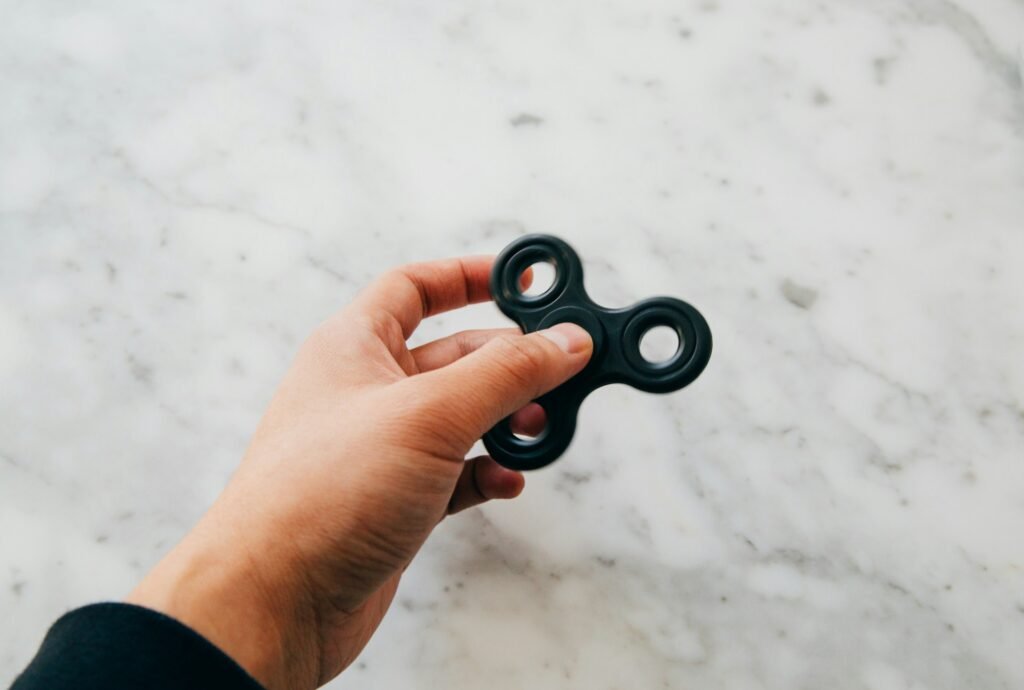
Tapping fingers, bouncing a leg, clicking a pen repeatedly, or constantly shifting in your seat are all forms of restless energy that distract others and signal anxiety or impatience. In a high-stakes meeting, visible fidgeting undermines an otherwise confident presentation. Interestingly, purposeful tactile interaction, like a quiet, unobtrusive desk fidget tool, can channel nervous energy without visible distraction.
The Head Tilt Out (Breaking Eye Plane)
When someone orients their body toward the door, the window, or anywhere other than the person speaking, it signals desire to exit the conversation, physically encoding “I want out” into the interaction. Pointing your feet and torso squarely toward whoever is speaking is one of the clearest engagement signals available to us and costs absolutely nothing.
Stiff or Absent Facial Expressions
A flat, unexpressive face during conversation can read as disinterest, disapproval, or distraction. This becomes especially relevant on video calls, where the camera often frames you from the shoulders up and your face becomes the entirety of your communication real estate. Resting neutral faces are sometimes misread as resting disapproving faces, which is a different problem than actual negativity but produces similar outcomes in team dynamics.
Negative vs. Positive Body Language
Sometimes seeing the contrast directly is more useful than a description alone. Here’s how common nonverbal cues stack up when comparing counterproductive habits with their more effective alternatives.
| Situation | Negative Body Language | What It Signals | Positive Alternative |
|---|---|---|---|
| Team meeting | Slouching, arms crossed, phone on table | Disengagement, defensiveness | Upright posture, open arms, phone away |
| One-on-one conversation | Avoiding eye contact, body turned away | Evasiveness, disinterest | Direct eye contact, torso facing speaker |
| Presentation or pitch | Fidgeting, monotone gestures, hunched | Nervousness, low confidence | Open gestures, relaxed stance, varied expression |
| Receiving feedback | Eye rolls, tight jaw, checking the clock | Resistance, impatience | Nodding, open expression, leaning slightly in |
| Listening to a colleague | Interrupting with gestures, looking away | Dismissiveness, impatience | Mirroring posture subtly, affirming nods |
| Video call | Staring off-screen, blank face, bad lighting | Distraction, lack of professionalism | Camera at eye level, engaged expression, good lighting |
Digital Body Language
Remote work didn’t eliminate nonverbal communication, it mutated it. Digital body language in the workplace refers to how tone, timing, and behavior patterns across email, messaging apps, and video calls collectively form an impression just as powerful as in-person physical cues.
Leaving messages on “read” without responding, sending one-word replies during collaborative projects, consistently muting your camera on group calls, or responding to everything with a thumbs-up emoji instead of actual words, these are all examples of digital body language that can quietly erode professional relationships. Research on remote work communication has highlighted that the absence of clear digital signals is often interpreted negatively by default, because ambiguity in social settings tends to register as rejection.
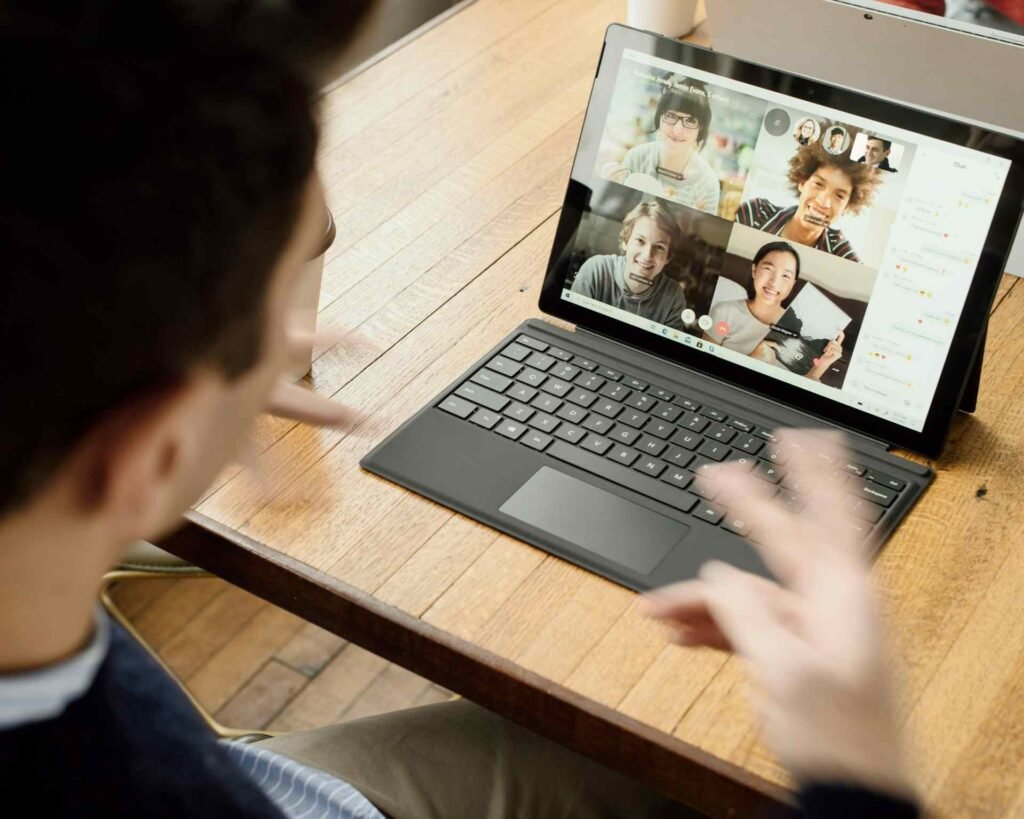
One of the less obvious digital body language cues is response latency. Someone who consistently responds to Slack messages hours later when they’re known to be online registers as disengaged or avoidant to colleagues and managers, regardless of actual workload. Setting clear expectations around your communication rhythms, or using status indicators proactively, does the work of a visible open-door policy in a remote context.
Video call setup also matters more than most people admit. Poor lighting that puts half your face in shadow, a camera angle that looks up your nostrils, a messy or distracting background, and an audio setup that makes you sound like you’re calling from inside a tin can, all of these affect how others read your professionalism and engagement.
How to Improve Body Language at Work
This is where most advice falls apart, because “just hold eye contact and smile more” is the communication equivalent of “just be confident.” Not particularly useful on its own. Improving your nonverbal communication skills in the workplace requires a more systematic approach.
Record Yourself
Before your next major presentation or important call, record a dry run. Watch it back specifically looking for postural habits, facial expressions, and hand movements. Most people are surprised by what they see. What feels neutral or confident internally often doesn’t read that way on camera. This exercise pinpoints specific habits to work on rather than leaving you with vague self-awareness that doesn’t translate to change.
Fix the Environment
Some negative nonverbal cues are triggered by environmental factors. Slouching worsens when a chair doesn’t support you properly. Fidgeting often increases with physical discomfort like poor wrist position or an awkward monitor height. Checking devices happens more when notifications are visible. Adjusting the physical environment reduces the need to consciously override those impulses constantly. A monitor at proper eye height, supported by a solid monitor arm or wall mount, which raises your setup without cluttering the desk, eliminates one of the most common video call offenders: the camera-angle-from-below problem.
Use Anchoring Cues
Professional coaches often teach body language through anchoring: pairing a physical habit with a specific situational trigger. For example, committing to “every time I walk into a conference room, I’ll set my phone face-down on the table before sitting” builds the behavior without requiring active willpower mid-meeting. Pairing posture resets with scheduled check-ins (like every time a new agenda item starts) creates natural breaking points for nonverbal recalibration.
Practice Active Listening
Listening well has a posture. Leaning slightly forward (about 10 to 15 degrees), keeping your head level, maintaining soft eye contact, and occasionally nodding sends clear “I’m with you” signals that also happen to reinforce your own engagement. There’s a physiological component here: physically orienting your attention toward someone increases cognitive focus on what they’re saying, so the nonverbal improvement and the actual listening skill develop together.
Slow Down Gestures and Movements
Rushed, jerky gestures and fast, scattered movement register as anxious to observers. Deliberately slowing down physical movements, walking into a room without rushing, speaking with measured hand gestures rather than frantic ones, pausing before responding, all signal calm authority. This is one of the most reliable indicators the research points to when distinguishing how high-status individuals are perceived in organizational settings.
When Nonverbal Habits Become a Problem
Most of the time, negative body language at work creates friction quietly. But in some cases, it escalates. A manager who consistently sighs, rolls their eyes, or turns away from direct reports during one-on-ones builds a culture of anxiety that no amount of all-hands positivity messaging will fix. Repeated dismissive nonverbal signals from senior figures have been tied in organizational research to increased employee disengagement and reduced psychological safety.
Similarly, patterns like interrupting with hand gestures before someone finishes speaking, giving very little facial reaction to direct questions, or maintaining an unusually still and controlled demeanor, which can read as intimidating, all generate interpersonal tension that often gets misattributed to “personality clashes” or vague “communication issues” rather than identified as specific, fixable nonverbal habits.
For anyone in a management or leadership role, the stakes are higher. Your nonverbal cues function as ambient signals to the entire room. In team settings, leaders set the nonverbal tone. How you show up physically is part of how you lead, whether you’ve thought about it that way or not.
Related article: Where to Sit in a Meeting Room for Maximum Impact
It’s also worth mentioning that this isn’t about policing or performing. Nobody wants to work alongside someone who seems to be consciously acting out a body language checklist, that’s its own kind of off-putting. The goal is removing friction and unintended signals, not manufacturing a false persona. Relatedly, some behaviors that might seem off to colleagues, like extreme avoidance of eye contact or highly literal interpretations of social cues, may reflect neurodivergence rather than disengagement. Workplaces that handle body language well tend to normalize open, direct communication about preferences, which reduces misread signals on all sides.
Frequently Asked Questions
The Bottom Line
You can have the best ideas in the room and still lose the room. Negative body language at work doesn’t just make you look bad in isolated moments, it creates a slow-burning narrative about who you are that can take months to undo once it sets in. The people making decisions about your career aren’t consciously thinking “that person crossed their arms in the Tuesday standup.” They’re just accumulating impressions, and those impressions eventually become opinions.
The flip side is that this is more fixable than most professional development challenges. You need to record yourself once, fix your chair, put your phone face-down, and start practicing the physical habits of someone who’s actually present. Do that consistently for a few weeks and you’ll notice the room responding differently.
Looking for more? Check out our work environment category for more articles and guides that may interest you!
Featured image credit: Photo by Vitaly Gariev on Unsplash
This content is for informational purposes only. Please verify current information directly on the retailer’s site before purchasing.
References:
Ashley Aghavian, Polina Yasmeh, Raquel Barrera, Orit Monesa (2024). Job Settings and Body Language. https://languagedlife.ucla.edu/sociolinguistics/job-settings-and-body-language/
“BODY LANGUAGE IN WORKPLACE: A CRITICAL ASSESSMENT”, IJCSPUB – INTERNATIONAL JOURNAL OF CURRENT SCIENCE (www.IJCSPUB.org), ISSN:2250-1770, Vol.13, Issue 2, page no.187-192, June 2023. https://rjpn.org/ijcspub/papers/IJCSP23B1496.pdf
Burgoon, J.K., Guerrero, L.K., & Manusov, V. (2010). Nonverbal Communication (1st ed.). Routledge. https://doi.org/10.4324/9781315663425
Burgoon JK, Wang X, Chen X, Pentland SJ, Dunbar NE. Nonverbal Behaviors “Speak” Relational Messages of Dominance, Trust, and Composure. Front Psychol. 2021 Jan 26;12:624177. https://doi.org/10.3389/fpsyg.2021.624177
Carney, D. R., Cuddy, A. J. C., & Yap, A. J. (2010). Power Posing: Brief Nonverbal Displays Affect Neuroendocrine Levels and Risk Tolerance: Brief Nonverbal Displays Affect Neuroendocrine Levels and Risk Tolerance. Psychological Science, 21(10), 1363-1368. https://doi.org/10.1177/0956797610383437
De Stefani E, De Marco D. Language, Gesture, and Emotional Communication: An Embodied View of Social Interaction. Front Psychol. 2019 Sep 24;10:2063. https://doi.org/10.3389/fpsyg.2019.02063
Grenny, J., Maxfield, D. (2017). A Study of 1,100 Employees Found That Remote Workers Feel Shunned and Left Out. https://hbr.org/2017/11/a-study-of-1100-employees-found-that-remote-workers-feel-shunned-and-left-out
Halevy, N., Cohen, T. R., Chou, E. Y., Katz, J. J., & Panter, A. T. (2013). Mental Models at Work: Cognitive Causes and Consequences of Conflict in Organizations: Cognitive Causes and Consequences of Conflict in Organizations. Personality and Social Psychology Bulletin, 40(1), 92-110. https://doi.org/10.1177/0146167213506468
Hietanen JK. Affective Eye Contact: An Integrative Review. Front Psychol. 2018 Aug 28;9:1587. https://doi.org/10.3389/fpsyg.2018.01587
Hui, Zhou. (2009). Body language in Business Negotiation. International Journal of Business and Management. 3. 90-90. https://doi.org/10.5539/ijbm.v3n2p90
Mehrabian, A. (1971). Silent messages. Wadsworth.
Nicola Binetti, Charlotte Harrison, Antoine Coutrot, Alan Johnston, Isabelle Mareschal; Pupil dilation as an index of preferred mutual gaze duration. R Soc Open Sci. 1 July 2016; 3 (7): 160086. https://doi.org/10.1098/rsos.160086
Patterson ML, Fridlund AJ, Crivelli C. Four Misconceptions About Nonverbal Communication. Perspect Psychol Sci. 2023 Nov;18(6):1388-1411. https://doi.org/10.1177/17456916221148142
Sollerhed AC, Bringsén Å. Appearance between professionalism and work-related stress among marketing employees. Work. 2023;75(4):1231-1242. https://doi.org/10.3233/WOR-220307
Last reviewed and edited on 16.03.2026