The Future is Flexible: Office Trends 2025 That Are Reshaping How We Work
Remember when offices were just rows of cubicles and the occasional sad potted plant? Yeah, those days are officially over. As we wrap up another year, the workplace is experiencing a transformation that’s part tech upgrade, part wellness revolution, and part “finally figuring out what people actually want.” Whether you’re setting up a home office or watching your corporate workspace get a makeover, these office trends 2025 are rewriting the rulebook on where and how work happens.
The workplace trends 2025 aren’t about fancy buzzwords or fleeting fads. They’re practical shifts driven by what actually makes people productive, happy, and willing to show up (literally or virtually). From desks that remember your height preferences to offices designed like your favorite coffee shop, the work environment is getting smarter, comfier, and way more interesting.
Hybrid Work Isn’t Going Anywhere (So We Might As Well Make It Work)
Let’s address the elephant in the Zoom room. Despite some headline-grabbing return-to-office mandates from major corporations, most companies have settled into a hybrid rhythm. Roughly two-thirds of organizations are offering some level of flexibility, because forcing everyone back five days a week turned out to be about as popular as a Monday morning fire drill.
The smartest organizations have stopped treating hybrid work as a temporary experiment. Instead, they’re designing spaces specifically for the way people actually use offices now. Nobody’s commuting an hour to answer emails at an assigned desk anymore. People come in to brainstorm with teammates, meet clients face-to-face, or escape their kitchen table for a change of scenery.
This shift means offices are becoming more like activity hubs than storage units for humans. You’ll see fewer rows of identical workstations and more variety in how spaces are configured. Some areas buzz with collaborative energy, others offer quiet concentration zones, and the best offices let you choose your setting based on what you need to accomplish that day.
The Rise of Workpoints: Pick Your Spot, Any Spot
Gone are the days when Susan from accounting would passive-aggressively defend “her” desk by leaving a sweater on the chair. The work trends 2025 embrace something called workpoints, which basically means any available workspace is fair game. Think of it as the Airbnb model for office furniture.
Instead of assigned seating, companies are creating diverse work settings that employees can claim as needed. Need deep focus? Grab a quiet pod in the concentration zone. Collaborating on a project? Pull up chairs at a communal table. Making video calls all morning? Book a small room with proper lighting and minimal background chaos.
This flexibility keeps spaces utilized throughout the day and gives people autonomy over their work environment. It also means companies can optimize their real estate footprint, since not everyone needs a permanent desk when they’re only in the office two or three days a week.
The catch? You need good technology infrastructure to make it seamless. Nobody wants to spend fifteen minutes figuring out how to connect their laptop at each new spot. Smart offices are installing universal charging solutions and standardizing connectivity so switching locations is genuinely effortless.
Home Office Trends 2025: Your Bedroom Corner Gets a Serious Upgrade
While corporate offices are reimagining their spaces, homes are too. The home office trends 2025 reflect the reality that many people split their time between locations or work remotely full-time. These spaces have evolved far beyond a folding table shoved against the wall.
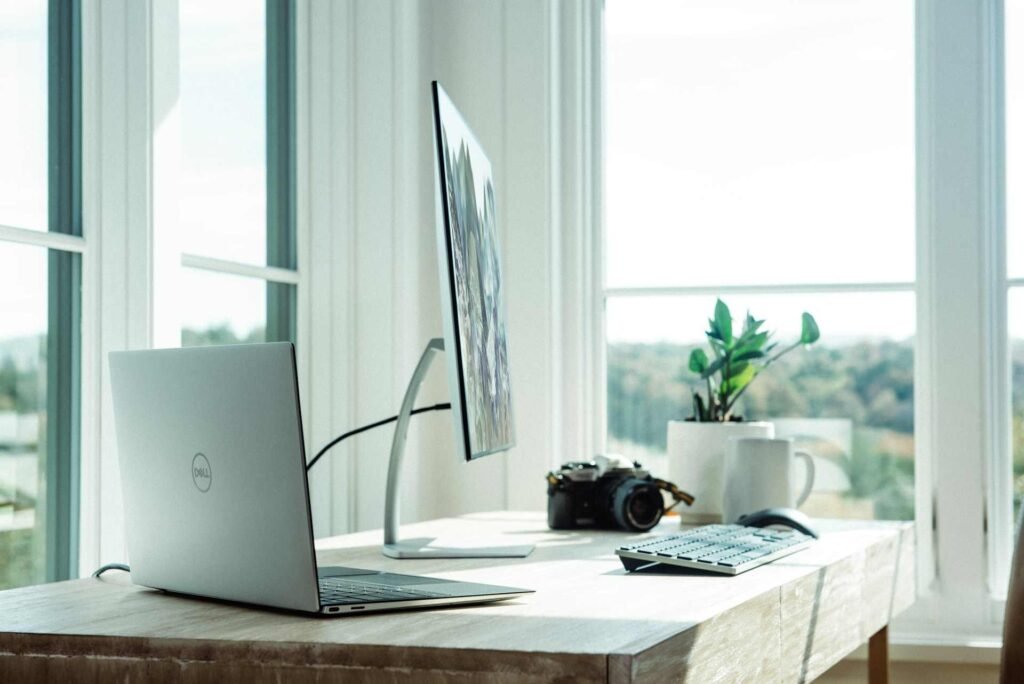
Multifunctional design is having a moment. Your home office might double as a guest room, exercise area, or creative studio. Furniture that transforms or folds away helps maximize limited square footage without sacrificing functionality. A desk that converts into a console table or a murphy bed that hides workspace essentials makes small spaces work harder.
Related article: Types of Desk Shapes Explained
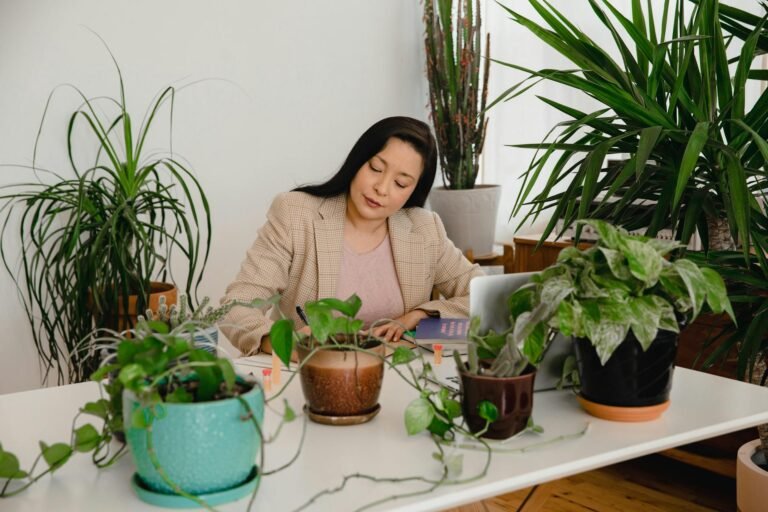
Biophilic design, which incorporates natural elements like plants and organic materials, has moved from trend to standard practice. Adding greenery and natural textures reduces stress and actually improves air quality. Even a couple of potted plants on your desk or a wooden accent shelf can make your workspace feel less sterile and more inviting.
Ergonomics matter more when you’re logging full days at home. Chairs with proper lumbar support and adjustable desks prevent the aches and pains that come from suboptimal setups. Your body will thank you after years of proper support instead of that dining chair you grabbed in a pandemic panic.
Smart technology integration is becoming standard, from adjustable lighting that shifts color temperature throughout the day to voice-controlled assistants that manage calendars and reminders. These tools streamline workflows and reduce digital clutter, helping maintain focus during marathon work sessions.
Wellness Takes Center Stage (Finally)
One of the most significant workplace trends 2025 is the elevation of employee wellness from nice-to-have perk to core design principle. Offices are incorporating dedicated wellness rooms, quiet meditation spaces, and areas specifically designed for mental health breaks. These aren’t just trendy additions, they’re acknowledgments that productivity depends on wellbeing.
Ergonomic furniture has become non-negotiable. Standing desks, chairs that actually support your spine, and monitor arms that position screens at proper eye level prevent the physical toll of desk work. Some offices are even adding treadmill desks for employees who want to incorporate movement into their day.
Acoustic solutions address one of open office’s biggest problems: noise. Sound-absorbing panels, strategic layout planning, and designated quiet zones help people concentrate without constant auditory interruption. Even smaller touches like carpeting in high-traffic areas or plants that naturally dampen sound make measurable differences.
Related article: How to Focus in an Open Plan Office
Natural light exposure affects everything from sleep quality to mood, so window access and daylight-mimicking LED systems are design priorities. Proper lighting reduces eye strain, regulates circadian rhythms, and generally makes spaces more pleasant to occupy for extended periods. If your workspace lacks natural light, quality desk lamps with adjustable brightness can simulate daylight and reduce strain.
Temperature control matters more than most people realize. The ideal office temperature hovers around a specific range that maximizes cognitive function. Too cold and people can’t focus, too warm and productivity tanks. Smart climate systems that adjust based on occupancy and preference are increasingly common.
Technology Gets Smarter
The future of work trends 2025 rely heavily on technology, but not the clunky, crash-prone systems that make you want to throw your laptop out a window. Smart office technology has matured into genuinely helpful tools that fade into the background until you need them.
IoT sensors track space utilization, showing which areas get heavy use and which sit empty. This data helps companies reconfigure layouts based on actual behavior rather than assumptions. Meeting rooms automatically adjust lighting and temperature when booked, and workstations remember individual preferences for desk height or monitor position.
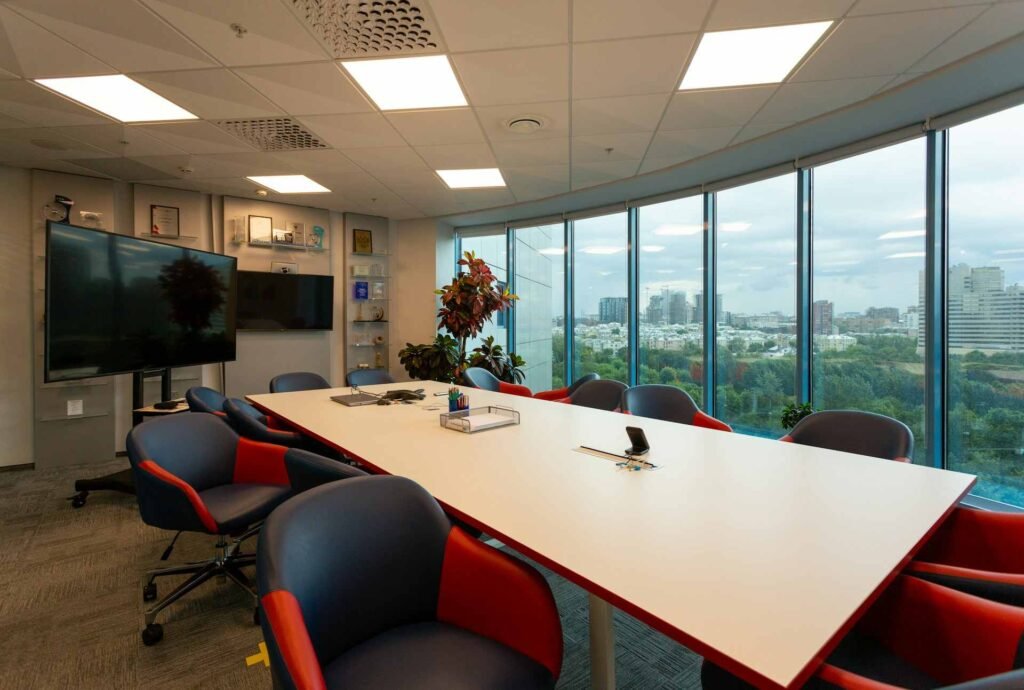
Advanced audio-visual setups make hybrid meetings less painful. Nobody enjoys the awkward dance of “can you hear me?” followed by robotic voices cutting in and out. Modern conference rooms feature quality microphones, cameras with intelligent framing, and screens that actually work when you plug in your laptop.
Booking systems have evolved beyond basic calendars. Smart platforms show real-time availability, suggest optimal meeting times across time zones, and even analyze whether a meeting really needs to be a meeting or if an email would suffice. They integrate with office layouts to suggest rooms based on meeting size and required equipment.
Sustainability Moves from Buzzword to Standard Practice
Environmental consciousness shapes the remote work trends 2025 and in-office design equally. Companies increasingly prioritize sustainable materials, from reclaimed wood furniture to low-VOC paints that don’t fill spaces with unpleasant chemical smells. These choices benefit both planet and employee health.
Energy efficiency drives many design decisions. Natural lighting reduces electricity consumption, smart LED systems dim or brighten based on occupancy and available daylight, and solar panels offset building energy use. These features lower operating costs while reducing environmental impact.
Circular economy principles influence furniture selection. Instead of buying pieces that end up in landfills after a few years, companies invest in modular furniture that can be reconfigured, repaired, or recycled. This approach extends product lifecycles and reduces waste.
Biophilic design serves double duty, bringing nature indoors while improving air quality and employee satisfaction. Green walls, abundant plants, and natural materials create healthier environments that people actually enjoy inhabiting. Even small offices can incorporate these elements without major renovations.
Temperature management through smart systems prevents energy waste. Rather than heating or cooling entire buildings uniformly, zone control adjusts climate based on actual occupancy. Employees stay comfortable while the company reduces its carbon footprint and utility bills.
The Office as Experience: Making the Commute Worth It
Here’s the truth companies are grappling with: if you want people in the office, the office better offer something homes can’t. The most successful workplace trends of 2025 focus on creating experiences that justify the commute, the parking hassle, and the structured schedule.
Immersive, well-designed spaces engage multiple senses. Thoughtful color schemes, comfortable furniture, pleasant scents, and even background music create environments people want to spend time in. These offices feel more like curated destinations than functional boxes with fluorescent lighting.
Social spaces matter more than ever. Work cafes with quality coffee, comfortable seating, and casual vibes encourage informal collaboration and relationship building. Some offices are adding bars, game rooms, or lounge areas that give people reasons to linger beyond their scheduled hours.
Community building happens naturally when spaces facilitate connection. Shared kitchens, collaborative zones, and communal tables create opportunities for spontaneous conversations and cross-department relationships. Remote work works for productivity, but offices excel at culture building.

Amenities signal that companies value employee experience. On-site fitness facilities, quality food options, and services like dry cleaning pickup or package reception reduce friction in daily life. When the office makes life easier rather than harder, people actually want to be there.
Professional development spaces support growth and learning. Libraries, training rooms, and areas designed for workshops or presentations show investment in employee advancement. These resources are harder to replicate remotely and become genuine draws for in-office time.
Personalization Within Structure
One challenge of flexible workspaces is maintaining some sense of personal territory. The best workplace trends of 2025 balance flexibility with opportunities for individual expression. Even in hot-desking environments, lockers or storage solutions let people keep personal items, work materials, or comfort objects on site.
Technology enables personalization without permanent assignments. Smart desks remember height preferences linked to employee badges, and booking systems can prioritize favorite spaces or workstation types for regular occupants. You get the benefits of assigned seating without the waste of permanent desks sitting empty.
Teams are increasingly clustered by work style rather than organizational hierarchy. Sales teams might sit together because they’re all on calls and won’t disturb each other, while content creators cluster in quieter zones that support concentration. This functional grouping works better than arbitrary department arrangements.
Personal touches in shared spaces matter. Companies that encourage employees to personalize community areas with artwork, photos, or decorative objects create environments that feel lived-in rather than sterile. Small additions make big differences in comfort and connection.
Comparing Traditional vs. Modern Office Models
| Aspect | Traditional Office | 2025 Office Model |
|---|---|---|
| Desk Assignment | Fixed, assigned seating for each employee | Flexible workpoints, choose your spot daily |
| Space Purpose | Primarily individual workstations | Mix of collaboration zones, quiet areas, social spaces |
| Technology | Static, desktop-based systems | Smart, mobile-friendly, cloud-integrated |
| Design Focus | Efficiency and space utilization | Experience, wellbeing, and functionality |
| Work Schedule | Five days in-office, standard hours | Hybrid flexibility, focus on outcomes |
| Wellness Features | Minimal or separate from workspace | Integrated throughout, core design principle |
| Sustainability | Not a priority in most cases | Central consideration in materials and operations |
| Personalization | Individual desk decoration | Mobile lockers, preference-tracking technology |
What About the Future of Remote Work Trends?
Remote work isn’t disappearing, despite what some corporate memos suggest. The future of work trends point toward sustained remote options, especially as companies recognize the talent pool advantages and cost savings. Fully remote roles remain stable after pandemic-era spikes, settling into a new normal rather than vanishing.
Technology continues improving remote collaboration. Better video conferencing, virtual whiteboarding tools, and project management platforms make distance less of a barrier. Asynchronous work practices mature, allowing teams across time zones to collaborate effectively without requiring everyone online simultaneously.
Home office investments reflect long-term commitment to remote work. People aren’t settling for makeshift setups anymore. They’re buying proper furniture, improving lighting, and creating dedicated spaces that separate work from personal life. These investments signal that working from home is permanent for many professionals.
Companies offering remote options maintain competitive advantages in hiring. Candidates increasingly prioritize flexibility, and organizations that provide it access broader talent pools unbound by geographic limitations. This trend particularly benefits specialized roles where qualified candidates are scarce.
The challenge remains maintaining culture and connection with distributed teams. Successful remote-first companies are intentional about building virtual community, scheduling regular in-person gatherings, and creating digital spaces that facilitate casual interaction. Remote work requires different strategies than in-office culture, but it absolutely works when thoughtfully implemented.
Frequently Asked Questions
What are the biggest office trends for 2025?
The major shifts include flexible workpoint systems replacing assigned desks, hybrid work models becoming standard, wellness-focused design with ergonomic furniture and quiet zones, smart technology integration that simplifies daily tasks, and sustainable practices in materials and energy use. Offices are transitioning from storage for workers to experience-driven destinations.
How is remote work changing in 2025?
Remote work remains stable rather than declining. About two-thirds of companies offer some flexibility, and hybrid models dominate. Home offices are getting serious upgrades with proper furniture, better lighting, and dedicated spaces. Technology supporting remote collaboration continues improving, making distance less of a barrier for distributed teams.
Why are companies investing in office wellness features?
Research consistently shows that employee wellbeing directly impacts productivity, retention, and healthcare costs. Wellness features like ergonomic furniture, natural lighting, quiet spaces, and temperature control aren’t just perks but practical investments that pay dividends through better performance and reduced turnover. Plus, they make offices more competitive for talent that has remote options.
What should I prioritize in a home office setup?
Start with ergonomics. A supportive chair and properly positioned desk prevent physical problems. Add good lighting to reduce eye strain, and create separation between work and living areas if possible. Invest in reliable connectivity and quality peripherals that make transitions between devices seamless. Finally, incorporate elements that make the space pleasant, whether plants, artwork, or comfortable temperatures.
Will traditional offices become obsolete?
Not obsolete, but definitely transformed. Offices serve different purposes now, focusing on collaboration, culture-building, and providing amenities homes can’t match. Companies that create compelling reasons to come in will thrive, while those offering generic cubicle farms will struggle. The office isn’t dying, it’s evolving into something more intentional and experience-focused.
How can small businesses adopt these trends affordably?
Focus on high-impact, low-cost changes. Flexible seating costs nothing but policy adjustments. Adding plants and improving lighting are relatively inexpensive. Invest incrementally in ergonomic furniture as budget allows. Use hot-desking to reduce real estate costs. Prioritize technology that solves specific pain points rather than chasing every trend. Many workplace improvements come from thoughtful reorganization rather than major capital investment.
Wrapping Up 2025
The office trends 2025 tell a story about work finally catching up with how people actually want to live. We’re moving past the industrial-era assumption that productivity requires physical presence in specific places at specific times. Instead, we’re building systems around flexibility, acknowledging that different tasks need different environments and that humans perform best when their physical and mental wellbeing stays prioritized.
Whether you’re team remote, team office, or somewhere in the hybrid middle, the trajectory is clear: work is becoming more human-centered. Offices that force conformity are losing ground to spaces that offer choice. Technology that complicates life is being replaced by tools that genuinely help. And environments that drain energy are transforming into places that actually support the people occupying them.
The companies and individuals who embrace this shift will have advantages. Better talent attraction and retention, improved productivity, and workspaces people genuinely want to use. Those clinging to pre-pandemic models will find themselves struggling to compete.
As we head into the new year, maybe spend a little time evaluating your own workspace. Is it serving you or just existing out of habit? Small improvements compound over time. A better chair, improved lighting, or even just rearranging furniture can shift your daily experience significantly.
The future of work isn’t arriving someday, it’s happening right now. Might as well make it comfortable.
Looking for more? Check out our work environment category for more articles and guides that may interest you!
Featured image credit: Photo by Kampus Production on Pexels
This content is for informational purposes only. Please verify current information directly on the retailer’s site before purchasing.